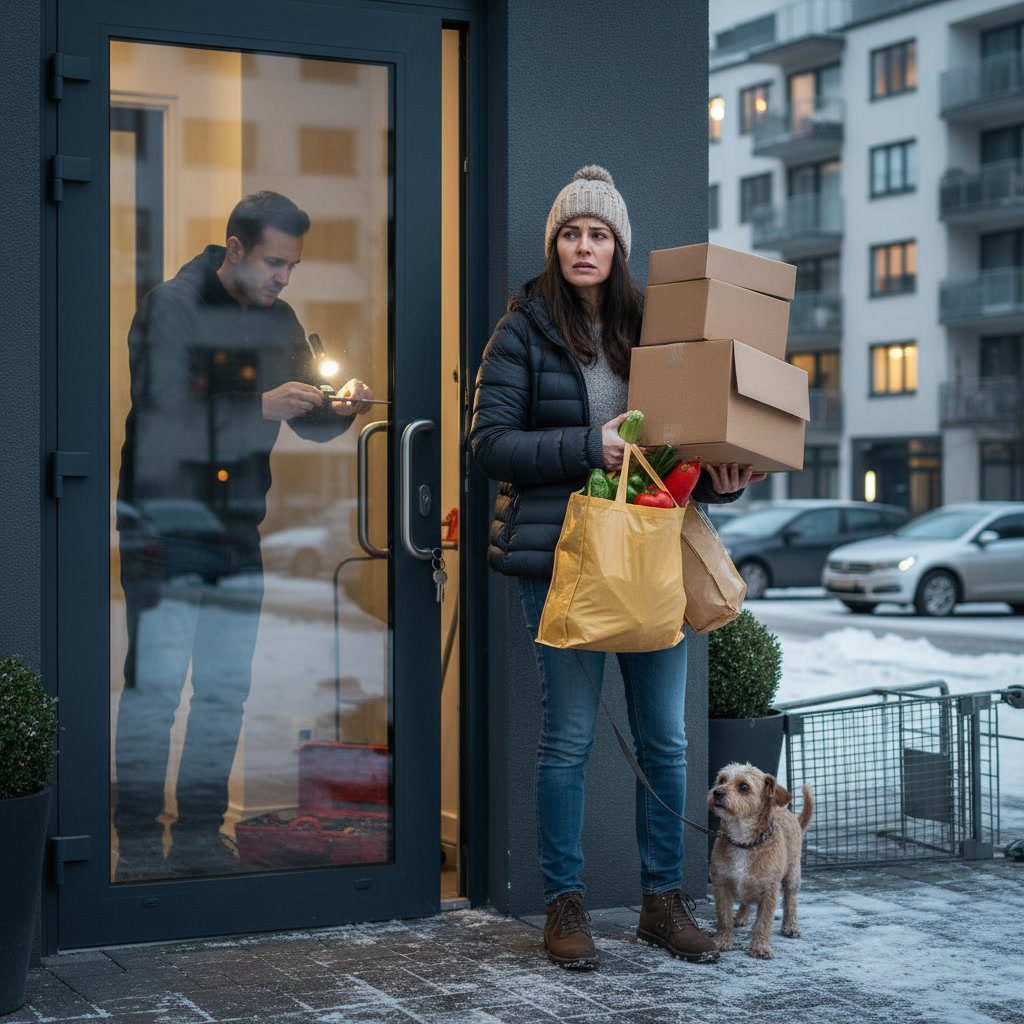
Emergency locksmiths treat lockouts with groceries or packages as priority situations requiring expedited response. When you’re locked out with groceries, locksmiths assess perishable items, weather conditions, and package security to determine the fastest entry method. They prioritize non-destructive techniques that get you inside within 15 to 30 minutes while protecting your property from theft or damage.
Why Lockouts with Perishables Create Extra Urgency
Standard lockouts are stressful, but adding perishable groceries or valuable packages transforms the situation into a race against time. Dairy products begin warming to unsafe temperatures within 30 minutes in moderate weather. Frozen items start thawing even faster. Packages left unattended on porches become targets for theft, especially in neighborhoods with high foot traffic.
Weather conditions amplify these risks. Summer heat accelerates food spoilage and can warp packages containing temperature-sensitive items. Winter cold may protect perishables temporarily but creates discomfort and safety concerns for anyone waiting outside. Rain, snow, or humidity can damage packages and ruin groceries before you regain entry.
How Locksmiths Prioritize Time-Sensitive Callouts
Professional locksmith dispatchers classify lockouts into standard, urgent, and critical categories. When you communicate your situation clearly to the dispatcher, mentioning groceries or packages immediately elevates your call priority. Dispatchers note the presence of perishables, package value, weather conditions, and neighborhood security when scheduling technician arrival.
Most emergency locksmiths maintain response protocols that allocate available technicians to urgent calls first. If a locksmith is finishing a routine lock change nearby, they may pause that non-urgent work to address your time-sensitive lockout. This triage system ensures situations involving property loss risk receive faster attention than standard residential lockouts.
Initial Assessment at Your Ashland Property
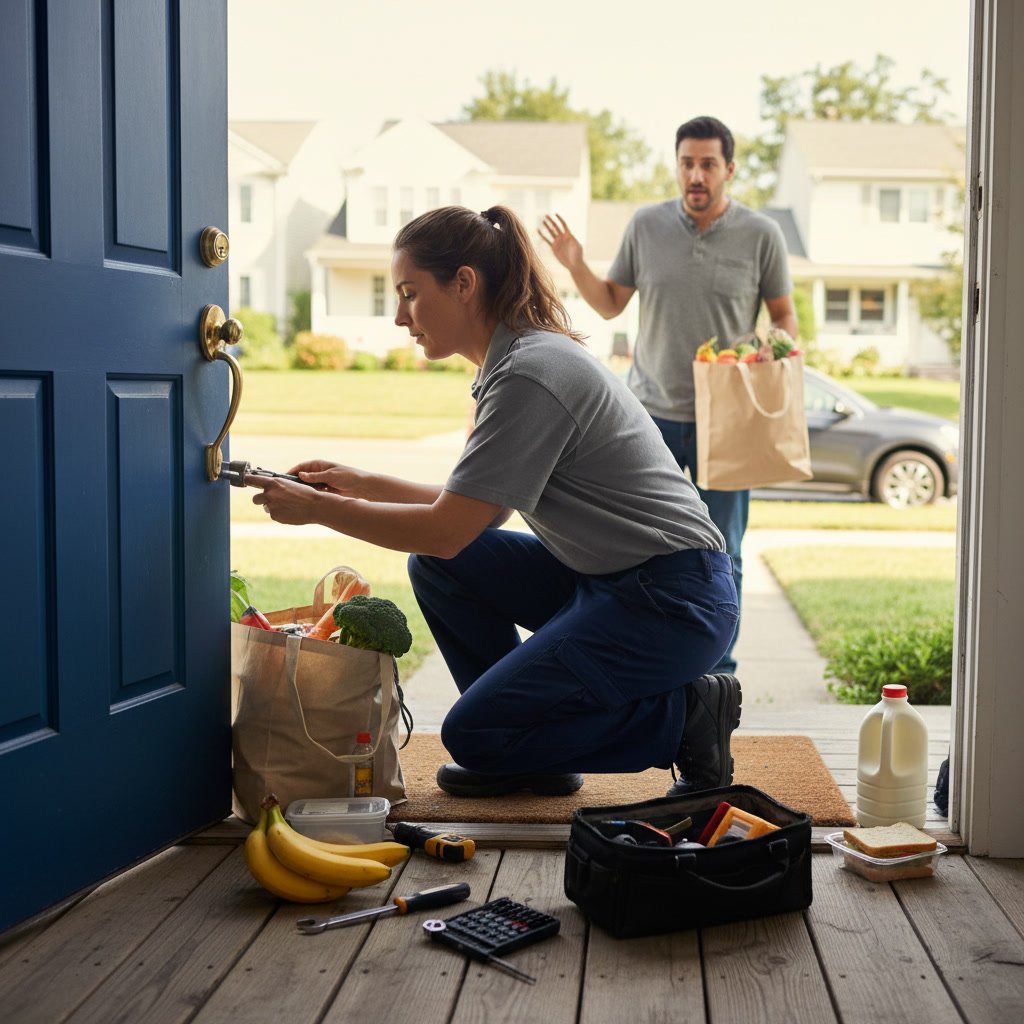
Upon arrival, the locksmith performs a quick visual assessment of your groceries or packages. They note items that require immediate protection, such as refrigerated goods, frozen foods, medications, or electronics. This assessment guides their choice of entry method and helps them understand how quickly they must complete the job.
The locksmith also evaluates your lock type and door condition. Residential lockouts typically involve standard deadbolts, knob locks, or electronic systems. Each requires different tools and techniques, with varying completion times. A skilled technician can open most standard residential locks within 10 to 20 minutes without damaging the door or frame.
Non-Destructive Entry Techniques for Fast Access
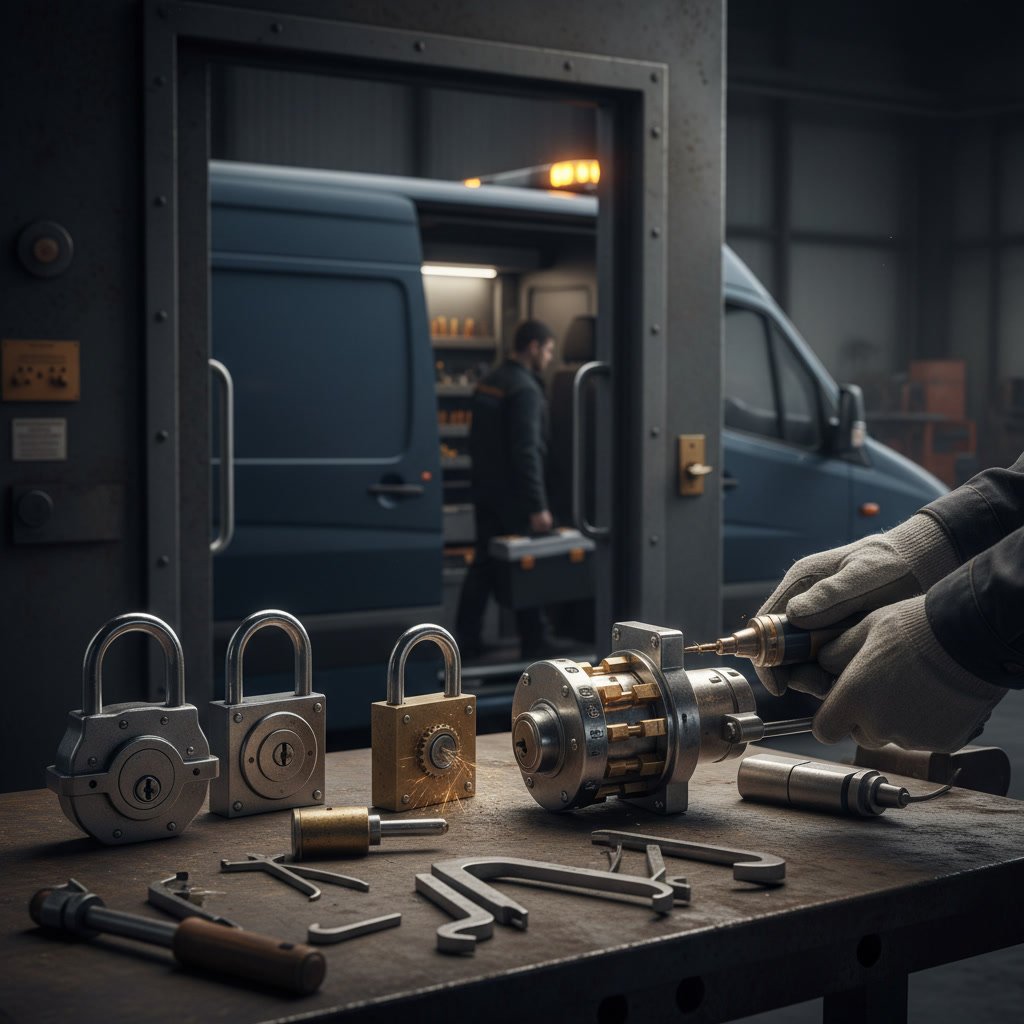
Professional locksmiths prioritize non-destructive entry whenever possible. For standard pin-tumbler locks, they use pick sets and tension tools to manipulate internal pins without forcing the mechanism. This method preserves your lock’s integrity and avoids replacement costs.
For deadbolts, locksmiths may use bypass tools or specialized picks designed for specific lock brands. High-security locks require more advanced techniques but remain accessible to trained professionals. The goal is always quick entry without breaking hardware or damaging your door.
When locks prove resistant to picking, locksmiths may drill the lock cylinder at precise points. This technique, while more invasive, remains controlled and allows lock replacement without door damage. The entire process, including cleanup and temporary securing, typically takes 20 to 40 minutes.
Step-by-Step Process from Arrival to Entry
Understanding what happens during an emergency lockout service helps reduce anxiety while waiting. First, the technician verifies your identity and ownership through ID, utility bills, or property records. This security step protects homeowners from unauthorized entry attempts.
Next, the locksmith examines the lock mechanism and selects appropriate tools. They explain their planned approach and estimated completion time. For a standard lockout, the actual entry process begins within five minutes of arrival.
The technician works methodically, using tactile feedback from the lock to guide their movements. Most residential locks open within 10 to 15 minutes. Once inside, the locksmith verifies the lock still functions properly and discusses any recommended repairs or upgrades to prevent future lockouts.
Protecting Your Groceries During the Process
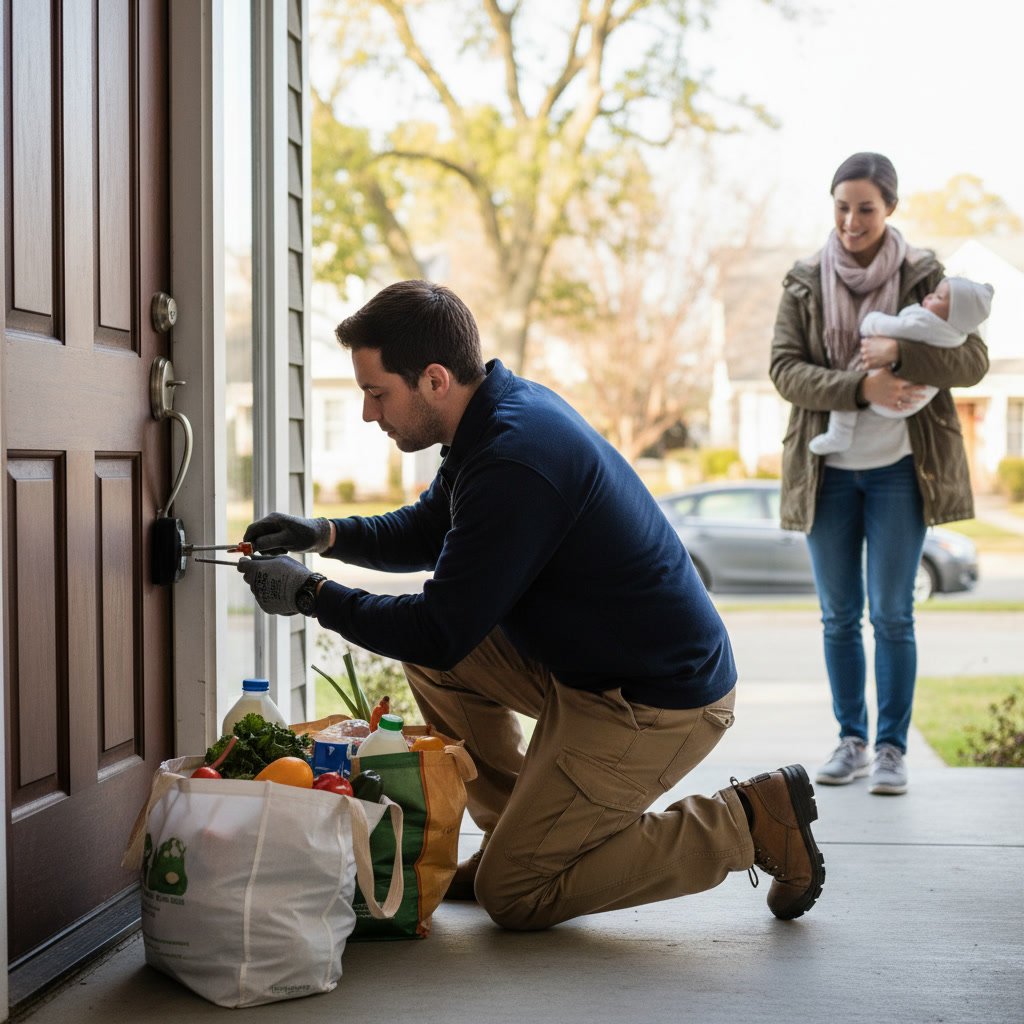
While the locksmith works, your groceries remain vulnerable to weather and theft. Reputable locksmiths understand this pressure and work efficiently without rushing into mistakes. Some technicians suggest moving the most vulnerable items to shaded areas or asking neighbors to temporarily store perishables if the lockout requires more time than expected.
If you have frozen items in insulated bags, they typically maintain safe temperatures for 45 minutes to an hour. Refrigerated items last slightly longer but begin entering the danger zone after 30 minutes in warm weather. The locksmith’s speed directly impacts how much food you can salvage.
For package security, locksmiths may recommend positioning yourself between the packages and street traffic while they work. This visibility deters opportunistic theft. In high-risk neighborhoods, having a trusted neighbor watch packages provides additional security during the brief entry process.
What Happens If Standard Entry Methods Fail
Occasionally, locks malfunction internally or have been damaged in previous repair attempts. When picking fails, locksmiths escalate to controlled drilling or door manipulation techniques. These methods add 10 to 20 minutes to the service time but remain faster than waiting for specialized equipment.
In rare cases involving high-security or damaged locks, the technician may need to remove the entire lock assembly. This process requires lock installation expertise and may take 30 to 45 minutes. The locksmith typically carries common replacement locks in their vehicle for immediate installation.
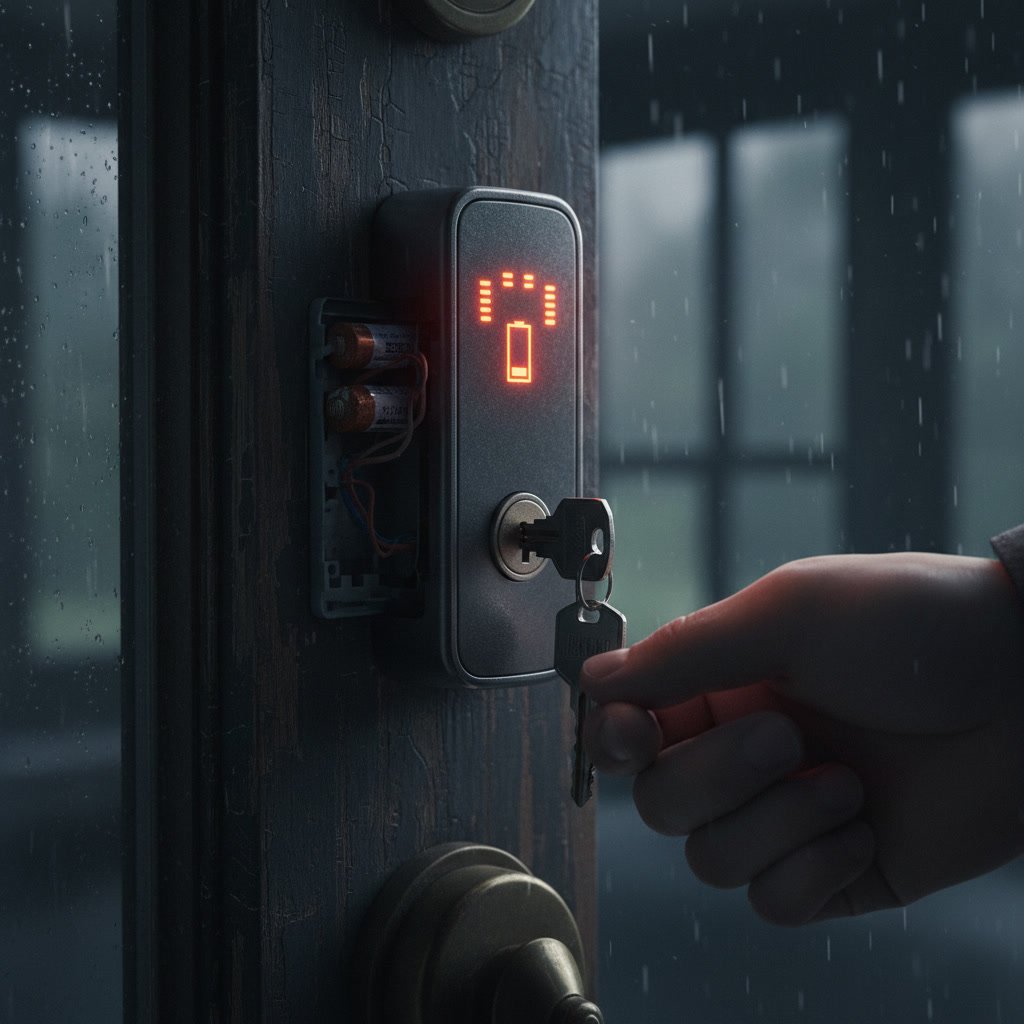
If you have electronic security systems, battery failures or programming errors can create lockouts that require different solutions. Technicians trained in electronic systems can reset codes or replace batteries to restore access without forcing entry.
Preventing Future Lockouts with Perishables
After resolving your immediate crisis, locksmiths often discuss prevention strategies. Hide-a-key solutions, when properly implemented, provide backup access for non-emergency situations. However, placing keys under doormats or planters creates security vulnerabilities that outweigh convenience.
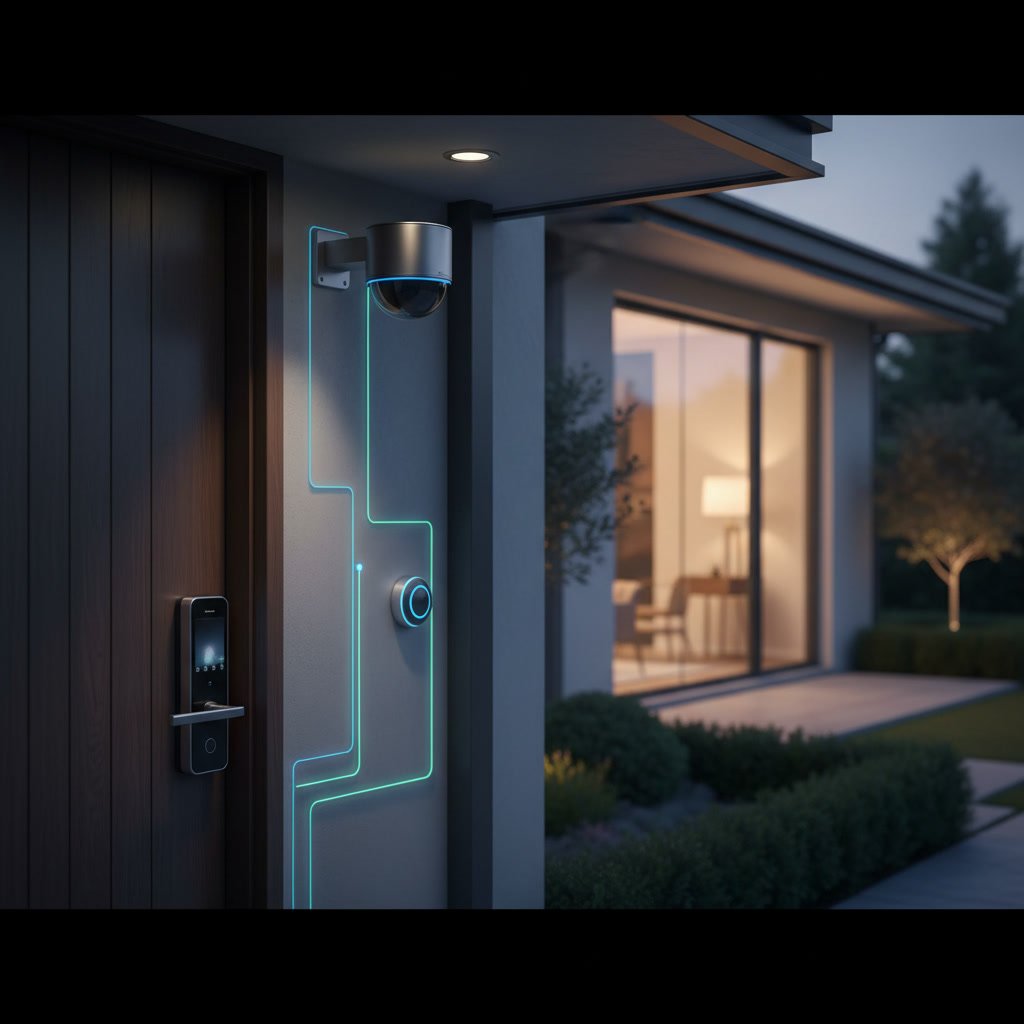
Smart lock systems with keypad or smartphone access eliminate key dependency entirely. These systems allow you to enter codes or use your phone for entry, preventing lockouts caused by forgotten or lost keys. Battery-powered smart locks require regular maintenance to avoid lock failures during critical moments.
Another practical solution involves designating a trusted neighbor or family member as a keyholder. This person keeps a spare key and remains available for emergencies. This low-tech approach provides reliable backup without electronic system vulnerabilities.
Cost Considerations for Emergency Grocery Lockouts
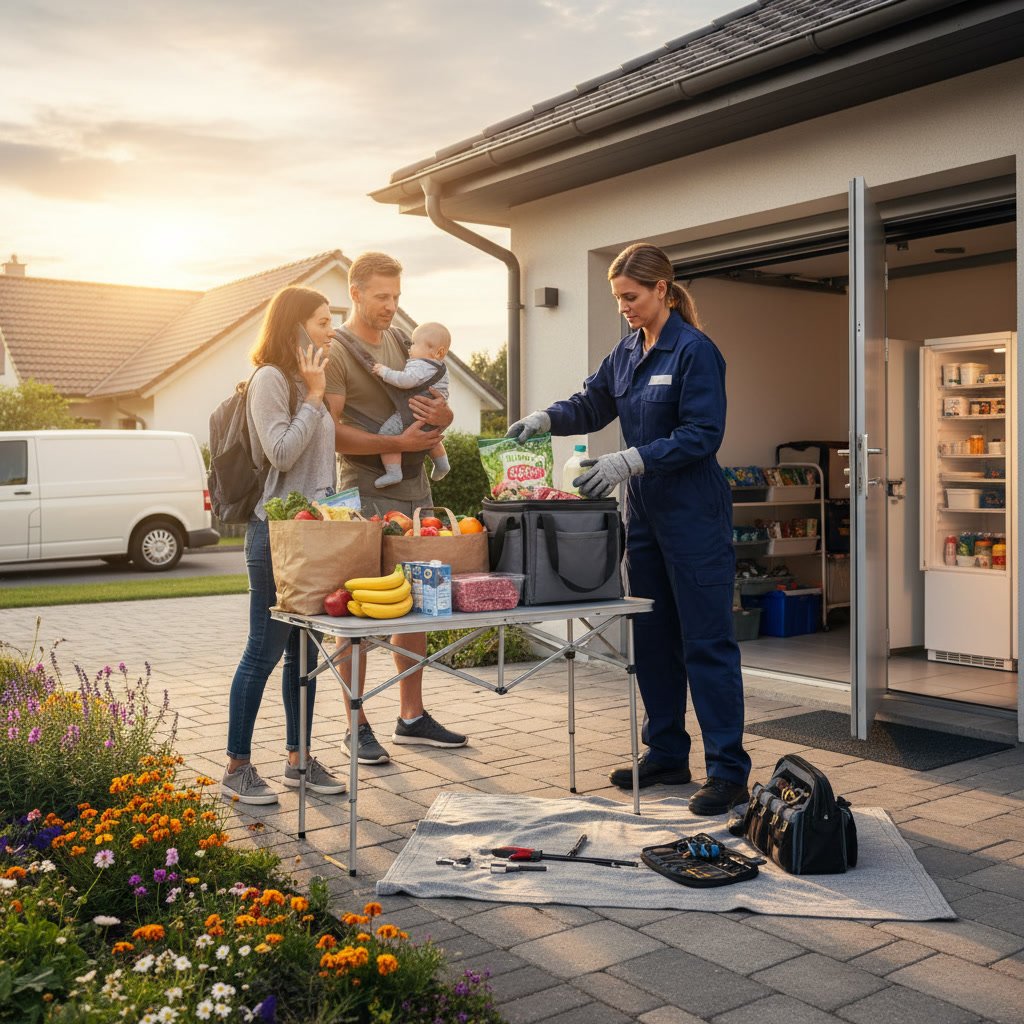
Emergency lockout pricing typically includes service call fees, labor, and any necessary parts. Standard residential lockouts during business hours cost less than after-hours or weekend calls. However, most homeowners consider the premium worthwhile when groceries or packages are at risk.
Reputable locksmiths provide upfront pricing before beginning work. They explain which services fall within the base fee and which require additional charges. Non-destructive entry usually costs less than drilling or lock replacement because it requires less time and no parts.
When comparing costs, consider the value of your groceries and packages. A $200 emergency lockout service that saves $150 in groceries and protects a $500 electronics delivery represents good value. Factor in the stress reduction and time savings when evaluating emergency locksmith pricing.
When to Call for Immediate Help
Certain situations demand immediate emergency lockout services rather than attempting DIY solutions. If you have children or pets inside, medications that require refrigeration, or high-value packages on your porch, call a professional locksmith immediately. Attempting lock manipulation without proper training often damages locks and extends your lockout.
Weather emergencies also warrant immediate professional help. Extreme heat, severe cold, or approaching storms create safety risks that outweigh any cost concerns. Professional locksmiths arrive equipped to handle various lock types and weather conditions efficiently.
If you’re locked out in an unfamiliar area or at a property you recently purchased, locksmiths provide peace of mind through verified service and proper identification protocols. They ensure you regain access legally and securely without property damage.
Getting Back Inside with Everything Intact
Emergency locksmiths resolve grocery and package lockouts by combining speed, skill, and appropriate technique selection. They understand the time pressure these situations create and work efficiently to minimize property loss. Most residential lockouts conclude within 30 minutes, allowing you to salvage perishables and secure packages before damage or theft occurs.
The key to successful resolution lies in clear communication with dispatchers, choosing reputable locksmiths with emergency capabilities, and understanding that professional service costs less than replacing spoiled groceries and stolen packages. Prevention strategies implemented after the emergency help avoid repeat situations.
Solution Locksmith LLC provides 24/7 emergency response throughout the region for all types of lockout situations. If you find yourself locked out with groceries or packages, our experienced technicians respond quickly with the tools and expertise needed to get you back inside safely. Contact us at +15403392006 for immediate assistance with any residential, commercial, or automotive lockout emergency.