When you call for urgent help during a lockout, the emergency locksmith response time depends on several measurable factors including your exact location, current call volume, traffic conditions, and the complexity of preparation required. Most professional services aim for a 20 to 45-minute window in metro areas, though rural locations may extend that range. The clock starts when dispatch confirms your address and assigns a technician, not when you first dial the phone.
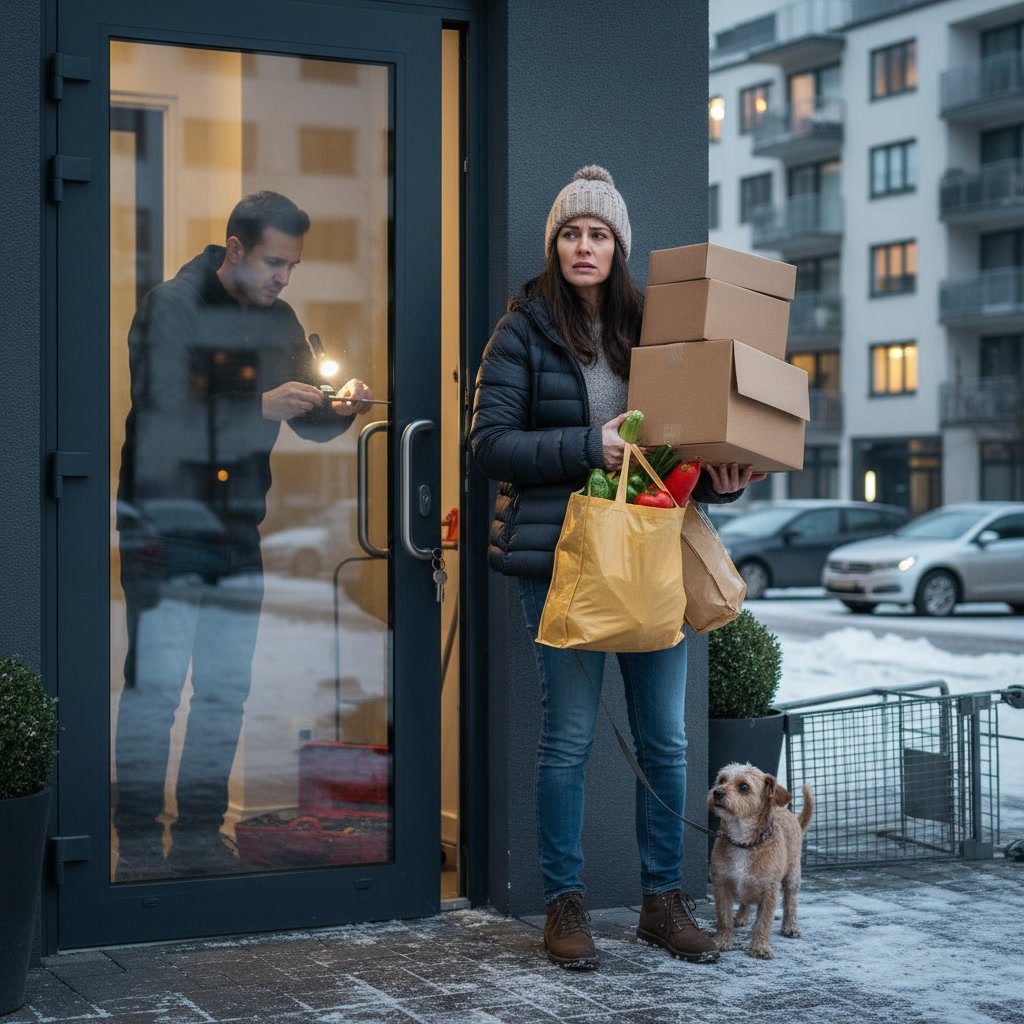
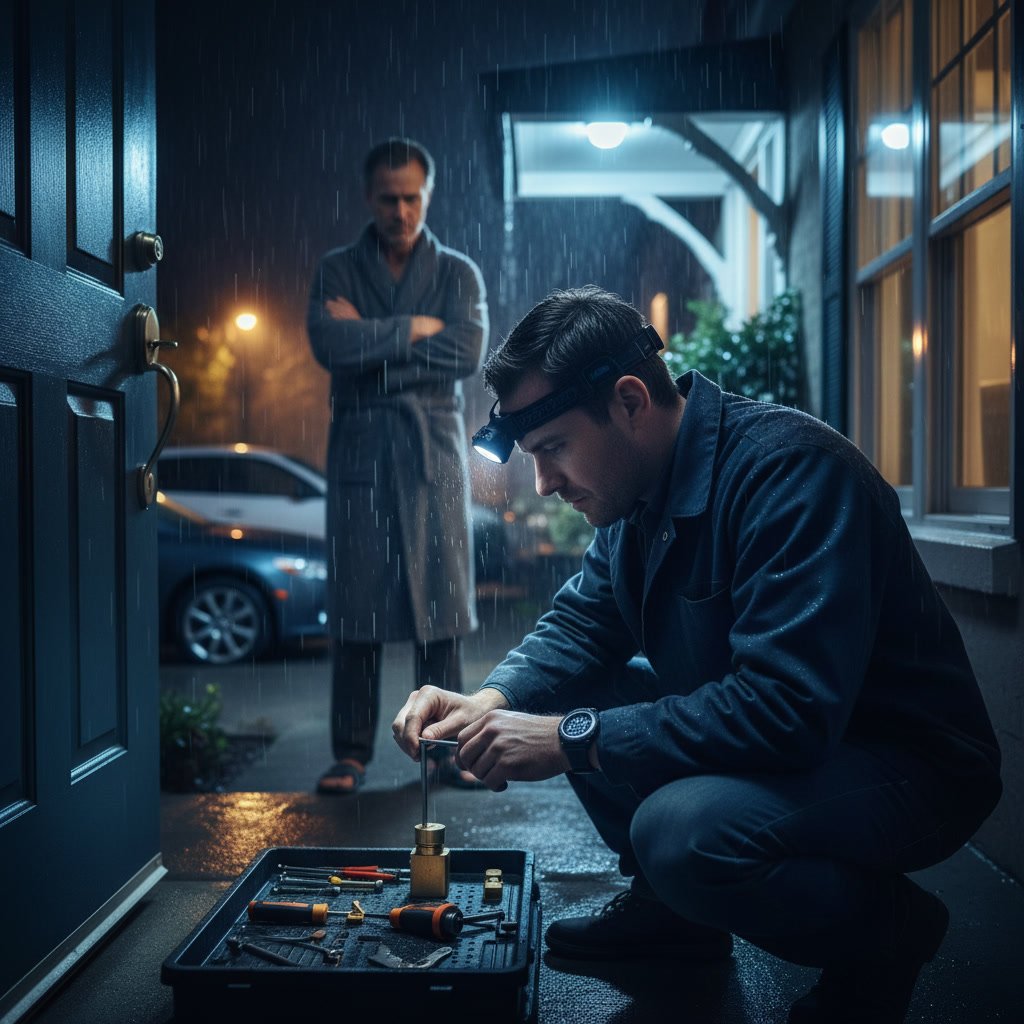
Getting locked out happens without warning. You might be standing in your driveway in the rain, or stranded in a parking lot after leaving keys in your car. In these moments, every minute feels longer than usual. Understanding the real mechanics behind response timing helps set realistic expectations and reduces stress while you wait.
What Counts as the Official Start Time
The response clock begins when the dispatcher verifies your location and confirms a technician is en route, not when your call connects. This distinction matters because the initial conversation includes gathering essential information: your exact address, the type of lock involved, whether the situation involves a vehicle or building, and any safety concerns. This intake process typically takes two to four minutes. Companies that rush this step often send technicians unprepared, which ironically increases total resolution time.
Dispatch systems flag calls by urgency level. A lockout with children or pets inside a vehicle receives immediate priority. A commercial property lockout during business hours ranks high due to revenue impact. Residential lockouts with no safety concerns typically fall into standard priority. This triage system explains why two customers calling the same company minutes apart might receive different arrival estimates.
Geographic Variables That Affect Arrival
Distance is the most obvious factor, but road type matters equally. A technician can cover ten highway miles faster than five miles through congested city streets with traffic lights every block. Time of day dramatically shifts these calculations. A call at 3 AM on empty roads allows faster travel than the same route during rush hour.
Service territory layout also plays a role. Companies serving compact urban zones maintain shorter average times than those covering sprawling suburban and rural areas. Weather conditions add another layer. Ice, heavy rain, or fog slow safe driving speeds and extend arrival windows. Responsible locksmith services build buffer time into estimates rather than promise unrealistic arrival times that breed frustration.

How Technician Availability Changes Throughout the Day
Lockout calls follow predictable patterns. Monday mornings see a surge as people rush to work and forget keys. Friday evenings bring another wave as fatigue sets in. Late nights generate calls from people locked out after social events. Companies staff accordingly, positioning more technicians during peak hours and maintaining skeleton crews during slow periods like Tuesday afternoons.
The number of active technicians directly impacts response capacity. A company with three vans on the road can handle simultaneous calls across different zones. A single-technician operation must complete each job before starting the next, creating potential delays. This is why asking about current wait times during your initial call provides more useful information than generic promises.
Step-by-Step Breakdown of a Typical Response Sequence
Understanding the process from call to arrival reveals where time gets spent. First, you place the call and reach either a live dispatcher or automated system. Quality services use live operators 24/7 who can assess urgency and gather details, taking three to five minutes. Second, the dispatcher locates the nearest available technician and relays your information, which takes one to two minutes. Third, the technician confirms acceptance and begins driving to your location.
Fourth, the technician may need to stop briefly to load specific tools or key blanks if your situation requires specialized equipment not kept in the standard mobile inventory. This preparation adds five to ten minutes but prevents a second trip. Fifth, the actual drive time occurs, ranging from ten to 40 minutes depending on distance and conditions. Sixth, the technician arrives, assesses the situation in person, and begins work. The entire sequence from your initial call to wheels-up typically spans 15 to 60 minutes in most scenarios.
The Preparation Factor Most Customers Overlook
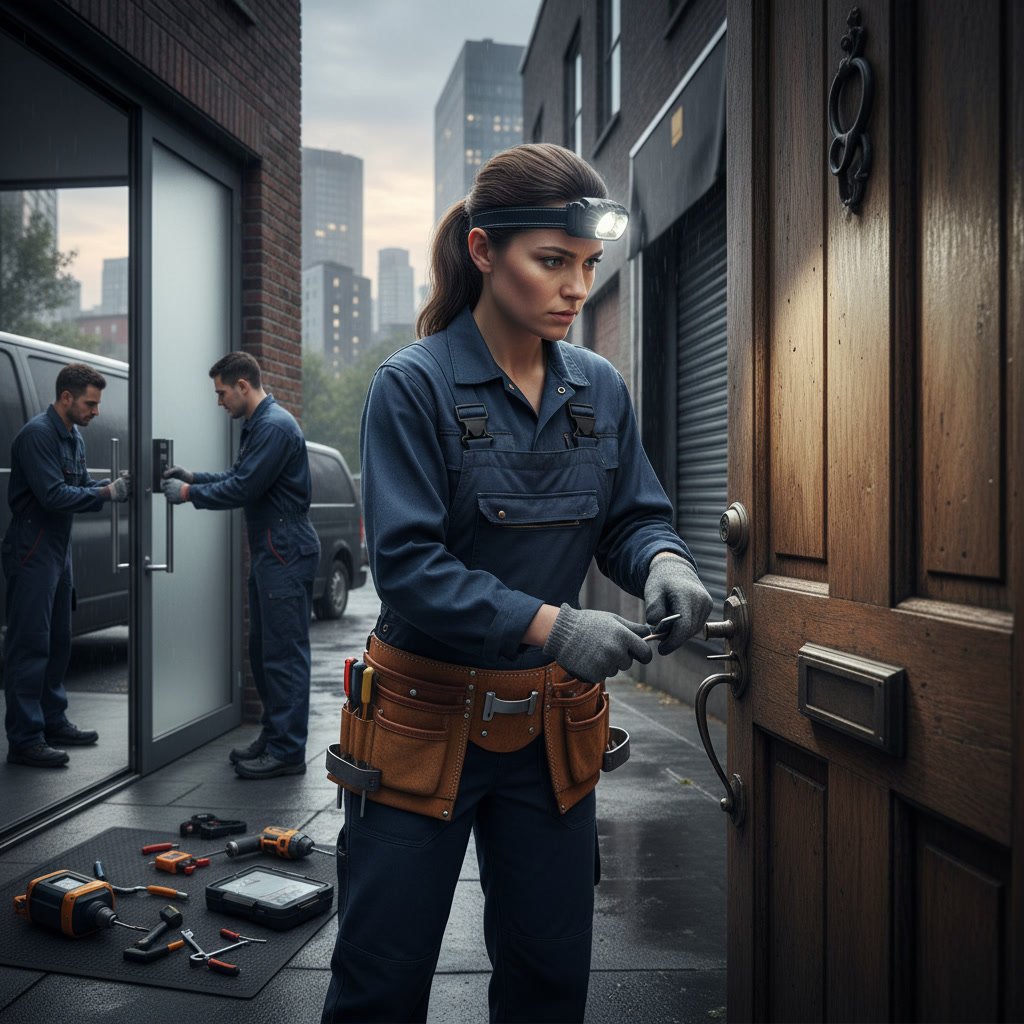
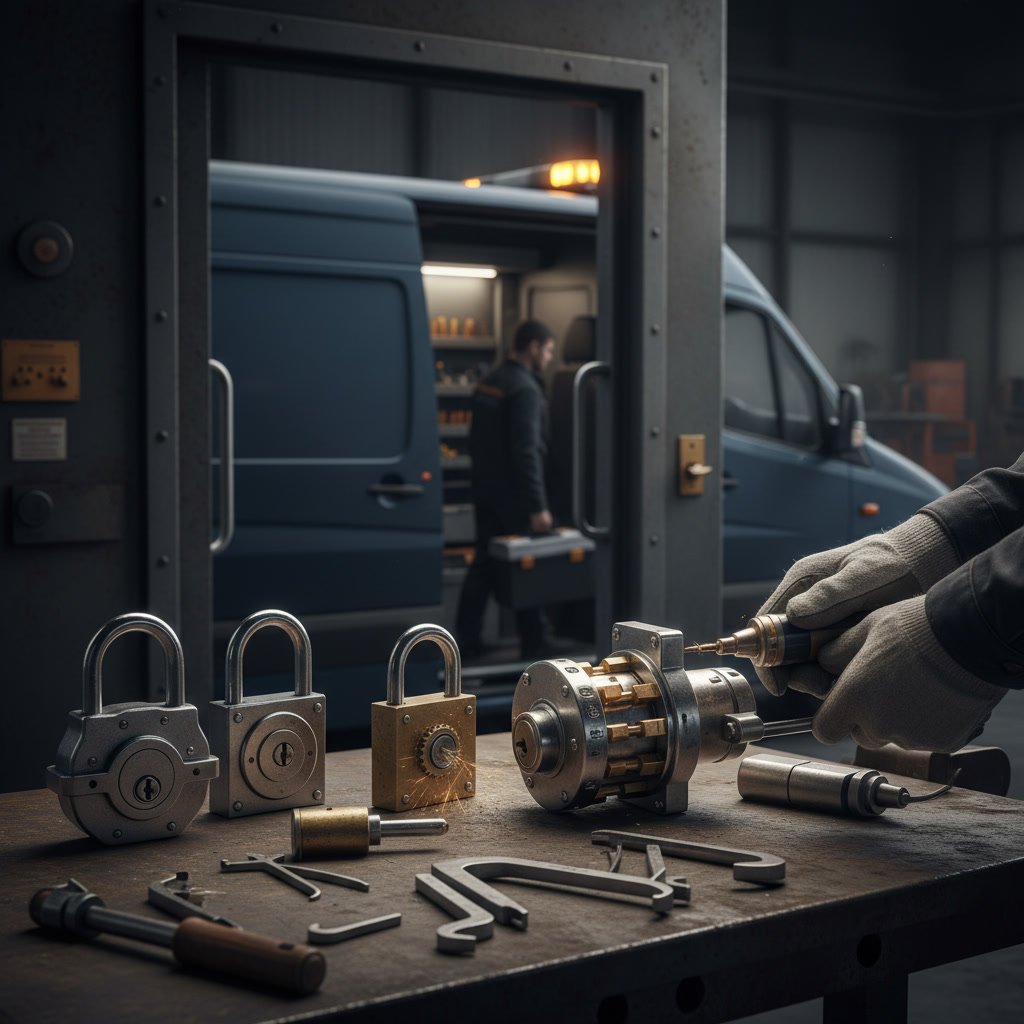
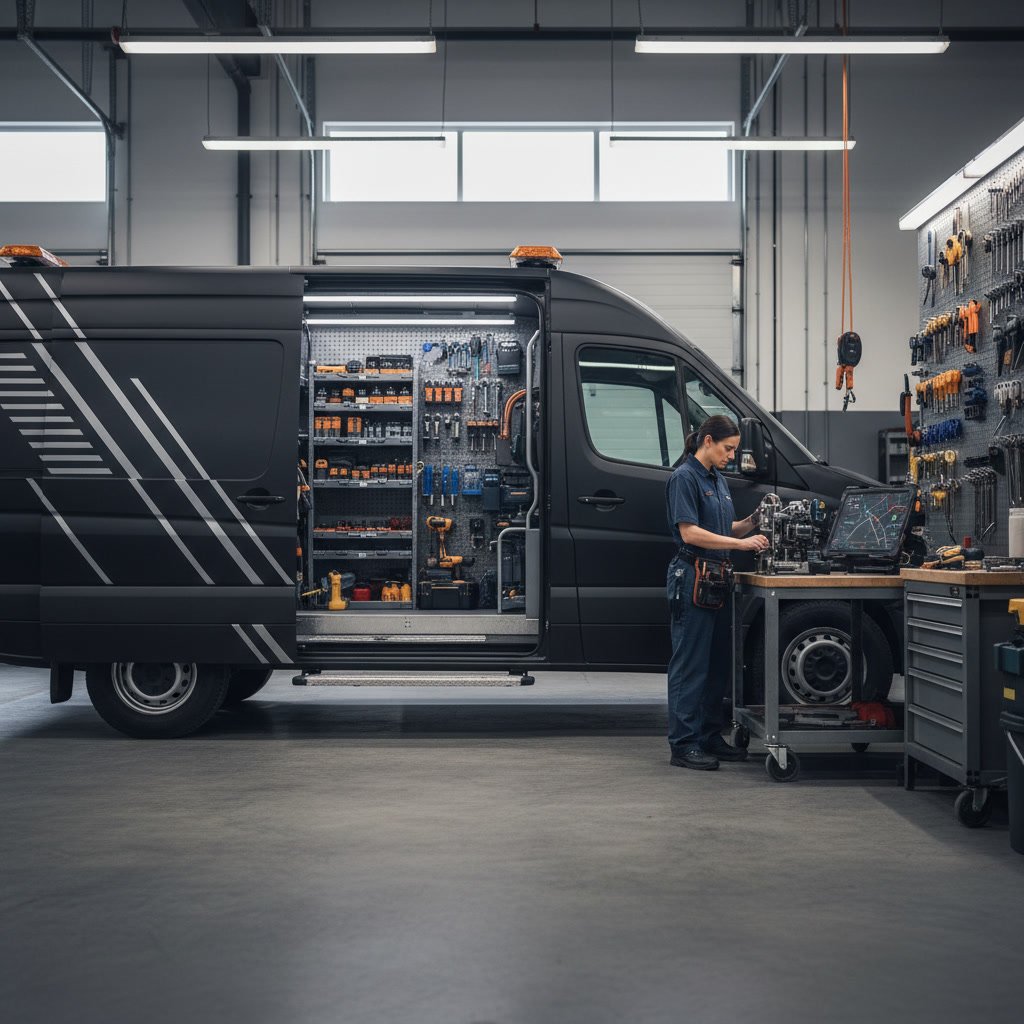
Experienced technicians carry extensive inventories in their service vehicles, but no van holds every possible key blank, lock cylinder, or electronic component for every make and model ever manufactured. When you call about a high-security lock, European car model, or commercial-grade system, the technician may need extra minutes to verify they have compatible materials before leaving their current location or base.
This preparation time is an investment that saves you from a partial fix or return visit. A technician who takes an extra eight minutes to load the correct transponder key blank for your specific vehicle year and model will complete the job in one trip. One who rushes out unprepared might arrive faster but then need to leave for supplies, doubling your total wait time. Professional services build this prep time into their estimates rather than hiding it.
Fast Response Times in Toano and Surrounding Counties
Service areas spanning multiple counties create unique timing challenges. A call from Toano sits in a different geographic context than one from Fredericksburg or Charlottesville. Companies serious about regional coverage position technicians strategically rather than operating from a single central hub. Solution Locksmith LLC maintains coverage across Caroline County, King George County, Spotsylvania County, and surrounding areas by coordinating multiple mobile units.
This distributed approach means a lockout call in Ruther Glen might see a 20-minute response while a simultaneous call from Charlottesville receives a 45-minute estimate due to current technician positions. Honest dispatchers provide realistic windows based on real-time locations rather than quoting blanket promises. When evaluating a locksmith service, ask how they handle calls across their full territory and whether they maintain multiple technicians or rely on a single operator driving from job to job.
How Call Volume Surges Impact Wait Times
Certain events trigger simultaneous spikes in lockout calls. The first cold snap of winter brings dead car batteries and frozen locks. Major traffic accidents divert emergency personnel and clog roads. Power outages affect electronic lock systems. During these surges, even well-staffed companies face longer queues. A service that normally responds in 25 minutes might extend to 50 during a regional ice storm affecting dozens of customers.
Transparent companies communicate these delays upfront. If current call volume means extended waits, you deserve to know immediately so you can decide whether to wait or seek alternatives. Companies that hide surge delays to avoid losing the call create worse customer experiences when arrival times miss badly. Ask the dispatcher directly about current conditions and whether your estimate accounts for any unusual circumstances.
What Happens Between Dispatch and Arrival
Quality locksmith services maintain communication during the wait. After dispatching a technician, you should receive confirmation with an estimated arrival window. As the technician travels, some services send updates if delays occur. This communication costs the company nothing but dramatically improves customer experience during an already stressful situation.
The technician may also call as they approach to confirm you’re still at the location and verify any last-minute details. This quick check prevents wasted time if you’ve found another solution or if access details have changed. These touchpoints separate professional operations from fly-by-night services that go silent after taking your call.
The Technology Behind Modern Dispatch Systems
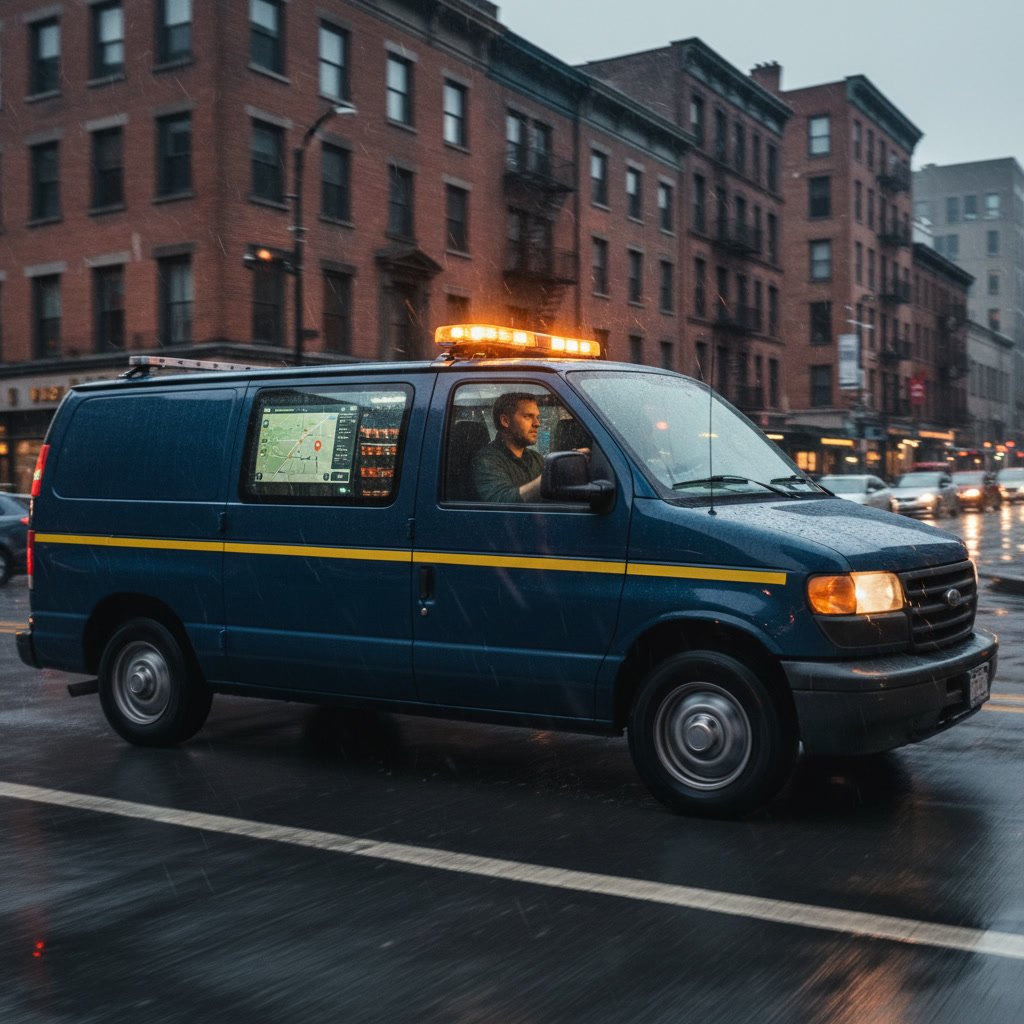
Advanced locksmith companies use GPS-enabled dispatch software that tracks technician locations in real time and calculates drive times automatically. When your call comes in, the system identifies the closest available unit and provides a data-driven arrival estimate. This technology eliminates guesswork and reduces the padding companies traditionally added to avoid missing promised times.
These systems also optimize routing when multiple calls queue up. The software can assign jobs to minimize total customer wait time across all pending calls rather than simple first-come-first-served sequencing. A technician finishing a job in Manassas might logically take the next Woodbridge call even if a Gainesville request came in first, because another unit is closer to Gainesville. Smart routing shaves minutes off aggregate response times.
Comparing Realistic Versus Inflated Promises
Some services advertise guaranteed 15-minute responses or promise to beat any competitor’s time. These claims serve marketing purposes but rarely reflect operational reality. A 15-minute guarantee might apply only within a tiny core service zone, with much longer times everywhere else. Or the company might start the clock from when the technician leaves their last job rather than when you call.
Realistic services provide ranges rather than single numbers. Saying 25 to 40 minutes accounts for variables like traffic and current technician position. A company promising exactly 20 minutes every time either serves an impossibly small area or routinely misses their commitment. Trust services that explain their timing honestly over those making claims that sound too good to be true.
Getting Help When You Need It Most
Understanding how response timing works gives you realistic expectations and helps you identify professional services. The best companies balance speed with honesty, communicating clearly about current conditions and likely arrival windows. They invest in adequate staffing, maintain well-stocked vehicles, and use technology to optimize dispatch decisions.
When a lockout happens, you want both fast arrival and competent service. The two qualities depend on each other. A technician who rushes to your location without proper preparation may arrive quickly but take longer to complete the work or need to leave for supplies. One who takes a few extra minutes to prepare arrives ready to solve your problem in one visit.
Solution Locksmith LLC operates across Virginia with 24/7 availability and realistic response commitments based on your specific location and current conditions. Whether you need help with a vehicle lockout, commercial property access, or residential lock trouble, our team provides transparent communication from the moment you call. Reach out anytime at +15403392006 for immediate dispatch and honest arrival estimates.