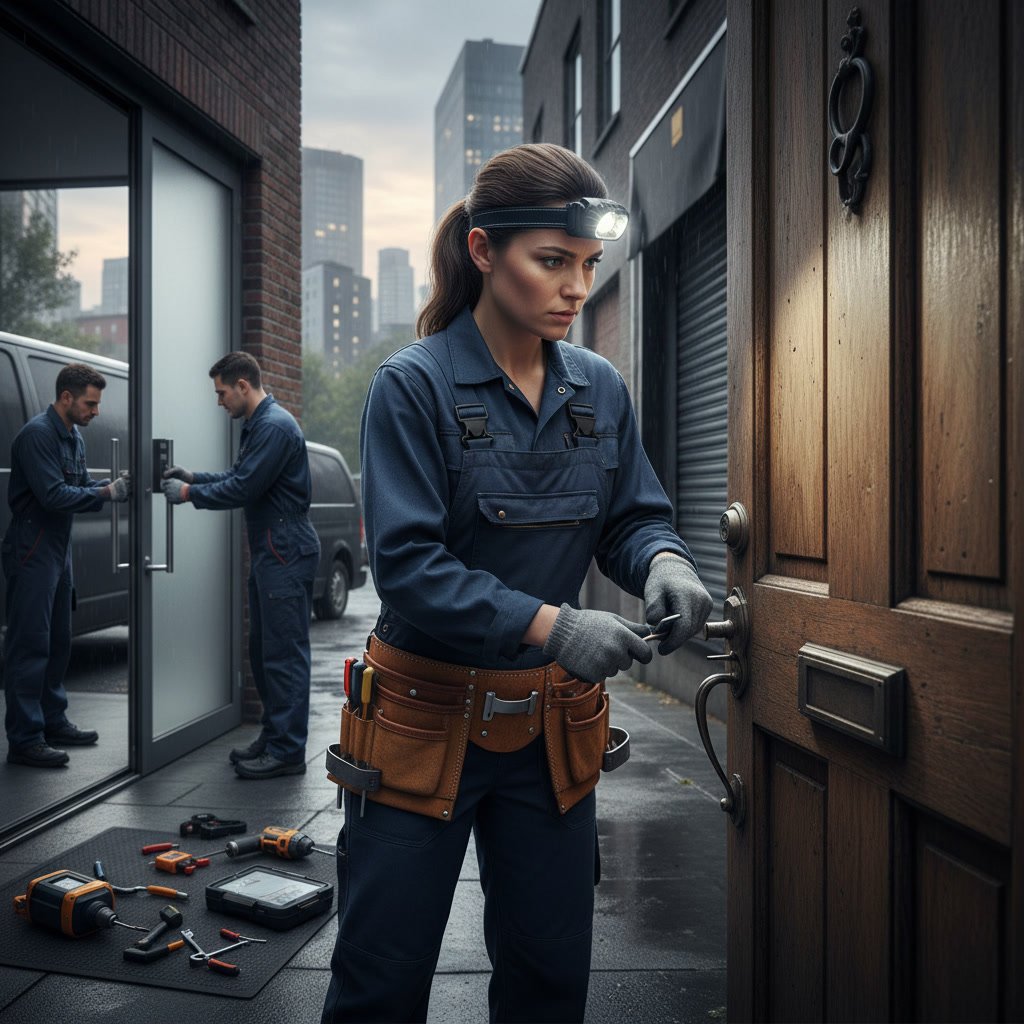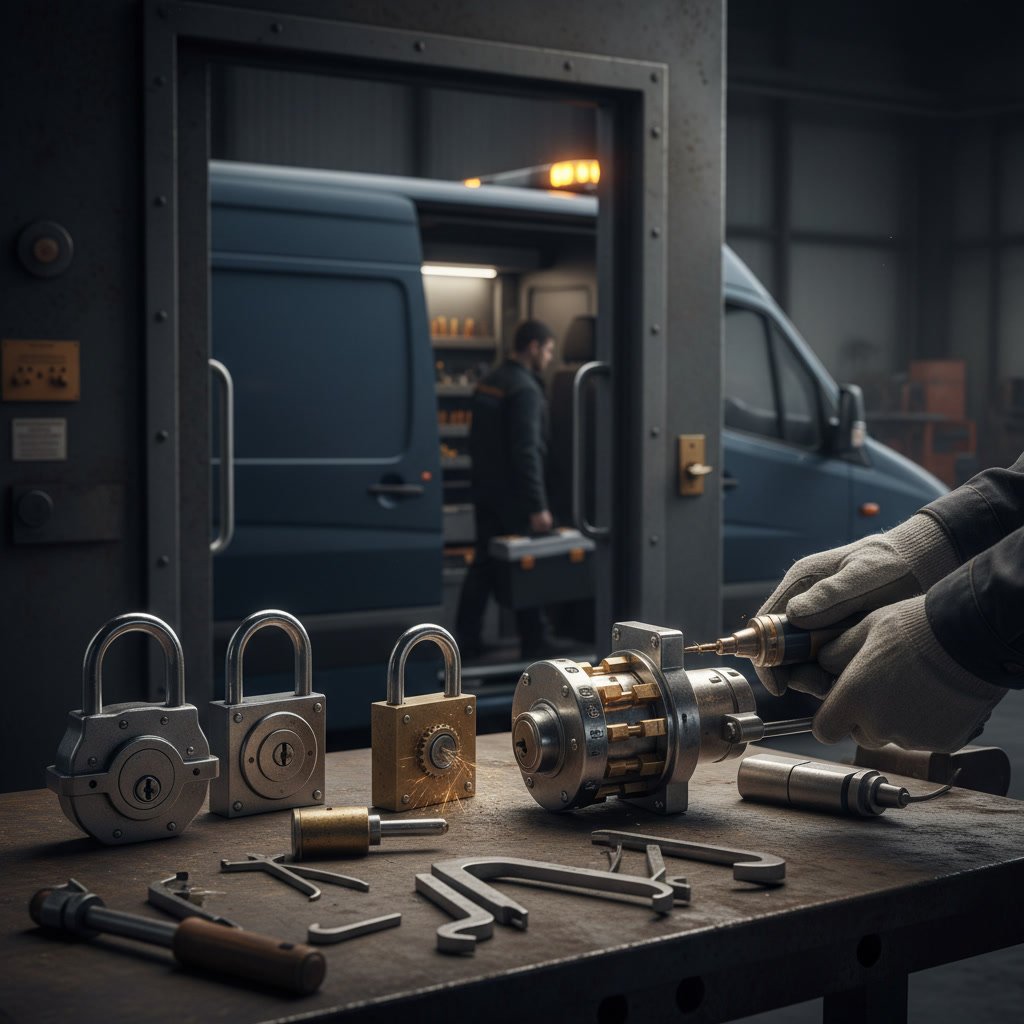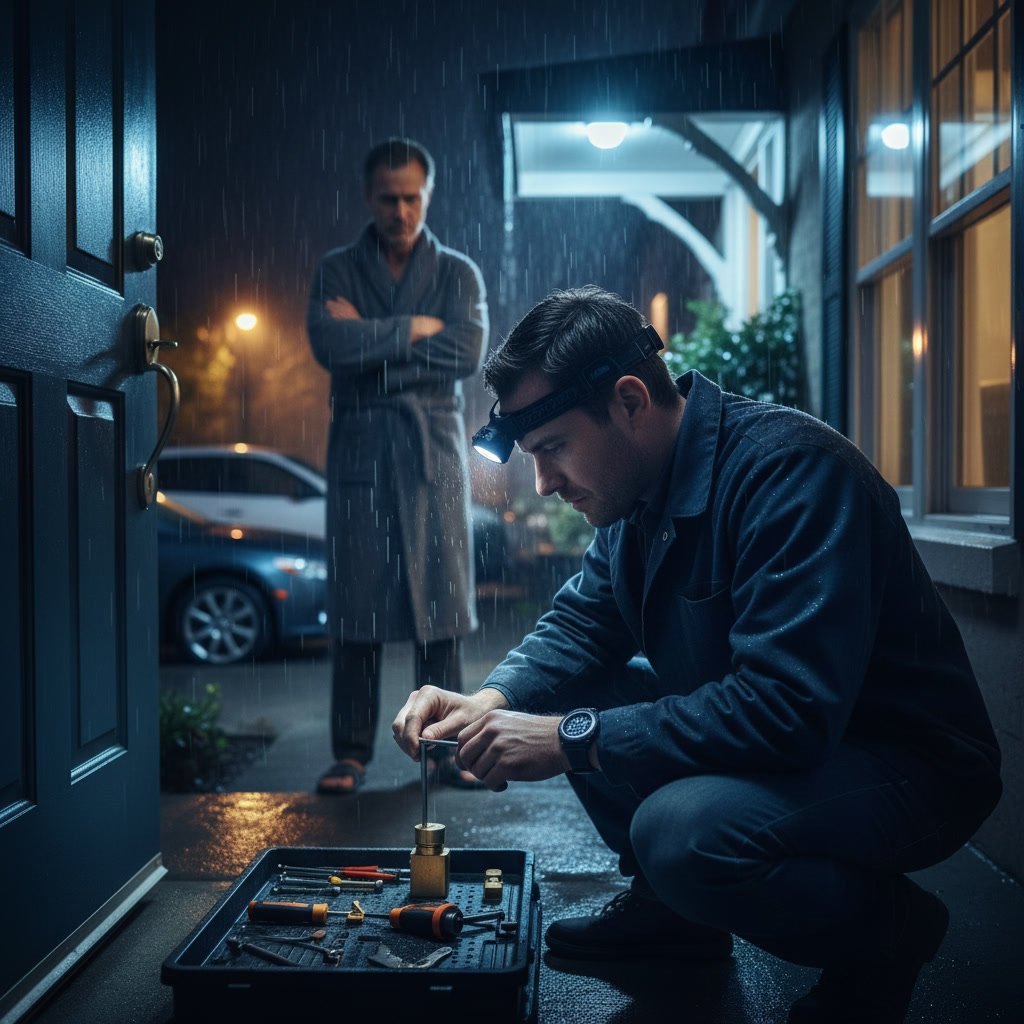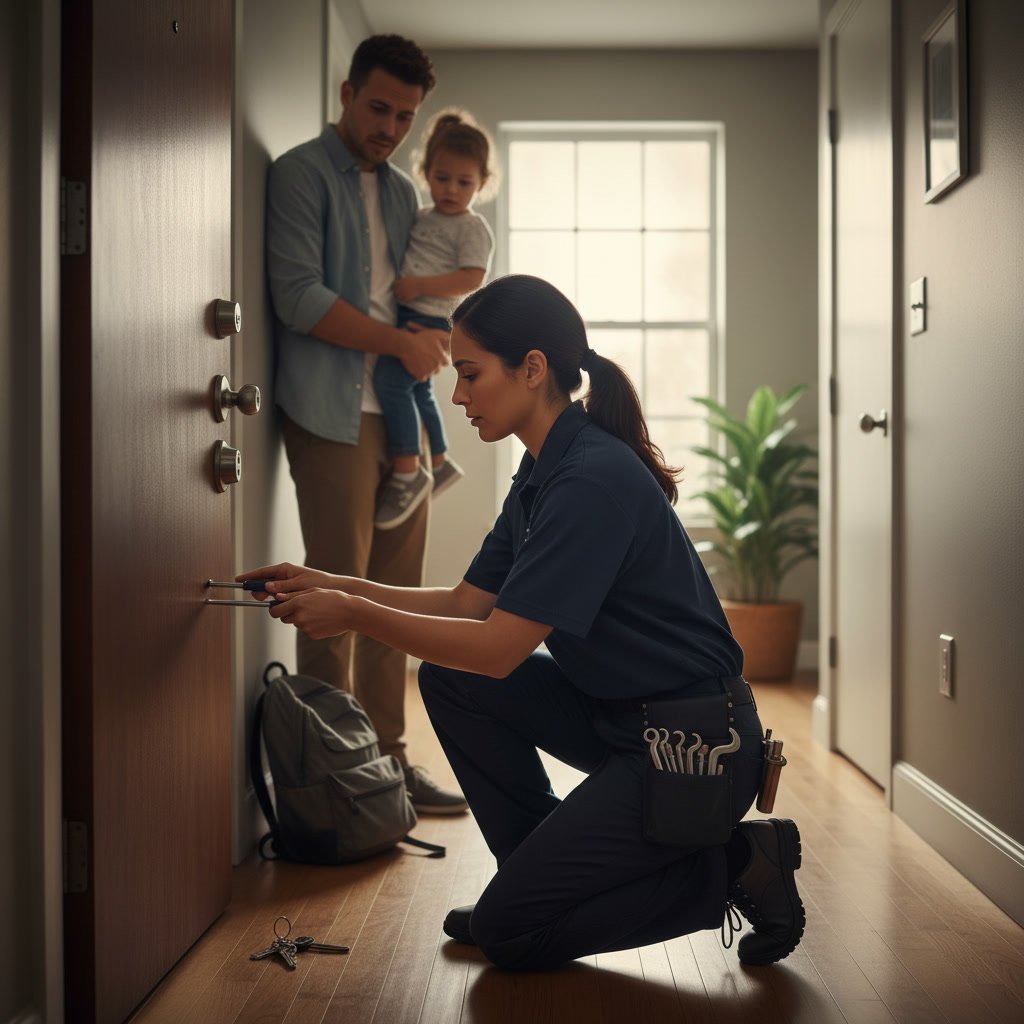
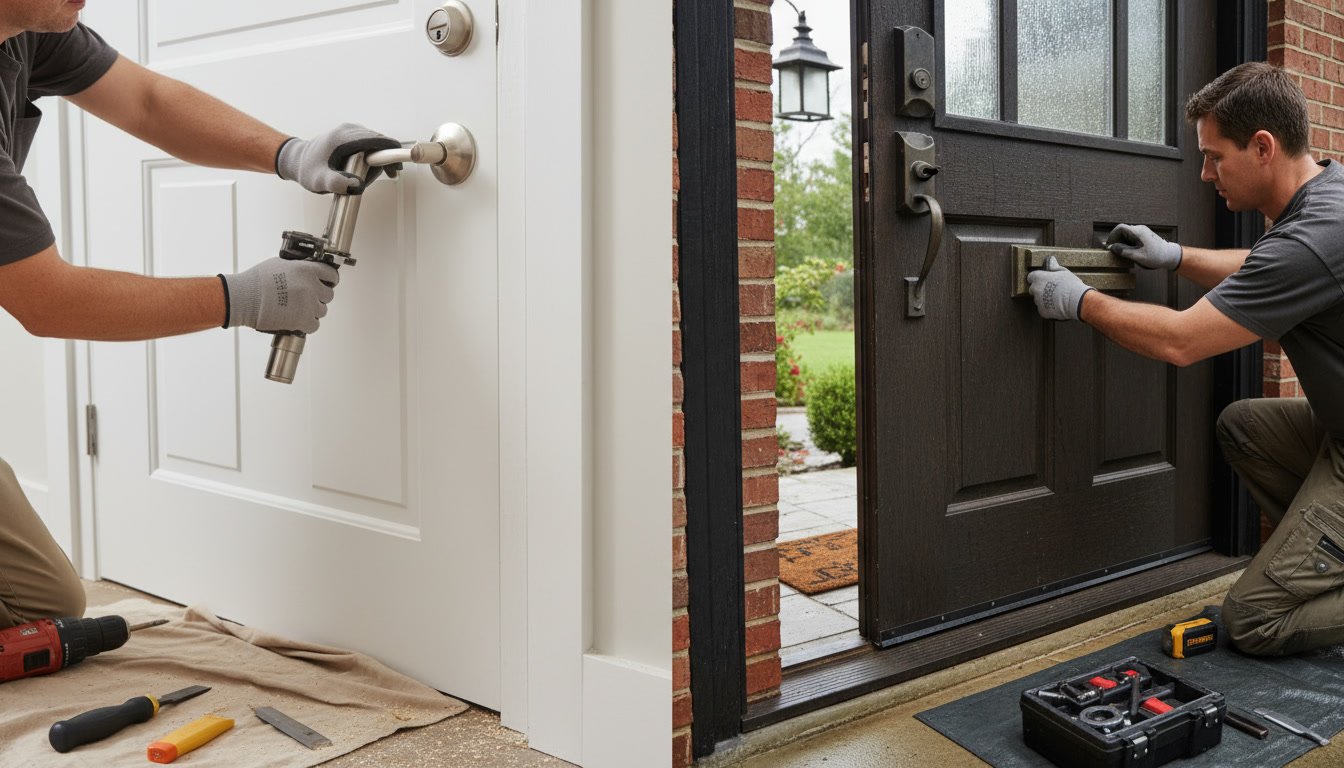
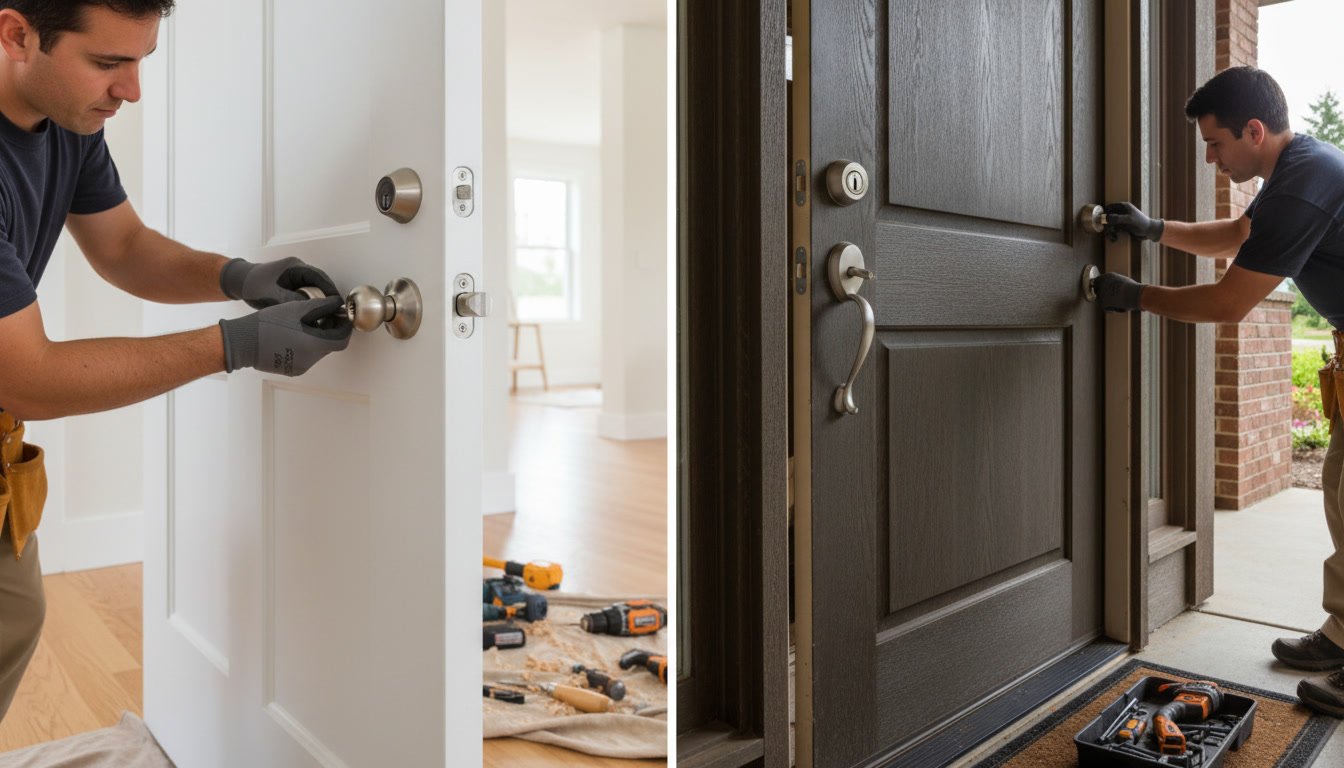
Professional lock installation interior exterior door projects require fundamentally different approaches, hardware specifications, and security considerations. Interior locks prioritize privacy and ease of access, typically using passage or privacy sets with minimal security features. Exterior locks demand weather-resistant materials, reinforced strike plates, deadbolts rated for forced-entry resistance, and precise alignment to prevent gaps that compromise security.
Why Door Location Determines Lock Requirements
The physical environment surrounding a door dictates nearly every aspect of lock selection and installation. Exterior doors face constant exposure to rain, temperature swings, humidity, and UV radiation that can corrode internal mechanisms or warp wooden doors over time. These conditions require locks manufactured with brass, stainless steel, or specially treated alloys that resist oxidation.
Interior doors operate in climate-controlled spaces where moisture and temperature remain relatively stable. This protected environment allows for lighter-gauge materials, simpler latch mechanisms, and finishes that would quickly deteriorate outdoors. The absence of weather concerns shifts the focus entirely to function and aesthetic integration with your home’s design.
Security Grades and What They Mean for Your Home
The American National Standards Institute establishes three security grades for door hardware. Grade 1 represents the highest level, designed for commercial applications and high-security residential entry points. Grade 2 suits standard residential exterior doors. Grade 3 meets minimum standards appropriate only for interior applications where security is not a primary concern.
Exterior entry doors should never receive anything less than Grade 2 hardware, with Grade 1 preferred for primary access points and homes in areas with elevated crime rates. The grading system evaluates cycle testing (how many times the lock can operate before failure), door impact resistance, and pick resistance. A Grade 1 deadbolt must withstand 10 strikes of 75 pounds of force without failure, while a Grade 3 interior lock faces no such requirement.
Strike Plate Installation Makes or Breaks Security
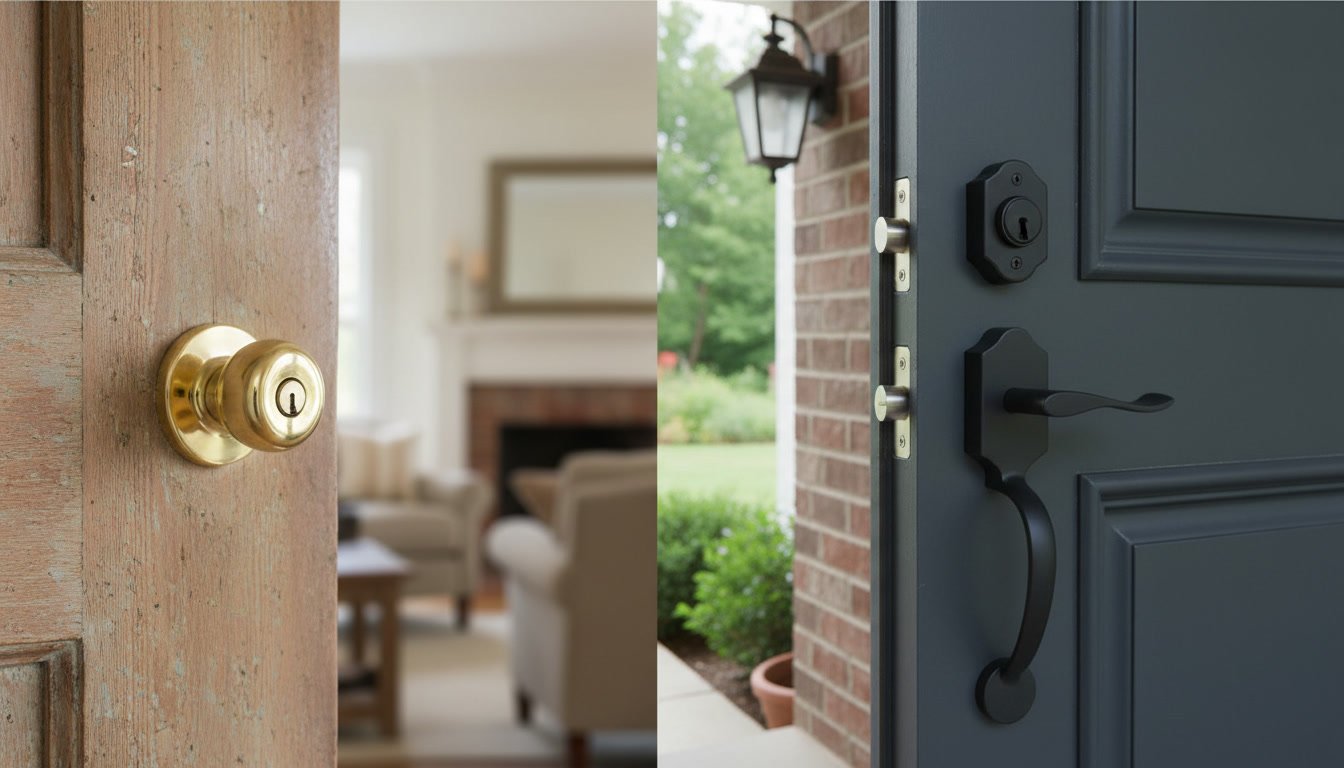
The strike plate, a small metal component attached to the door frame, receives the lock bolt when you secure the door. On interior doors, a half-inch strike plate with two short screws suffices because the lock exists primarily to signal privacy rather than prevent forced entry.
Exterior door strike plates require a completely different standard. Professional installation uses a reinforced strike plate at least three inches long, secured with screws that penetrate through the door jamb into the wall stud behind it. These screws should measure at least three inches in length. This configuration distributes kick-in force across a much larger area and anchors the lock to the home’s structural framing rather than just decorative trim.
Many break-ins succeed simply because the strike plate was installed with the short screws included in retail lock packages. These screws anchor only into soft pine jamb material that splinters easily under impact. Upgrading this single component during lock installation dramatically improves security without replacing the entire lock.
Deadbolt Throw Length and Door Frame Alignment
Deadbolts project a solid metal bolt from the door edge into the frame. The throw length, the distance this bolt extends, directly affects security. Residential deadbolts typically offer throw lengths between three-quarters of an inch and one full inch. Interior doors rarely use deadbolts at all, relying instead on simple latch mechanisms.
Proper installation requires precise measurement and alignment so the bolt enters the strike plate smoothly without scraping or binding. Even a few millimeters of misalignment can prevent the bolt from fully extending, leaving a gap that undermines the entire security system. Professional installers use laser levels and precise measurement tools to ensure the lock body, strike plate, and door frame align perfectly even after seasonal wood expansion and settling.
Weather Sealing and Exterior Lock Longevity
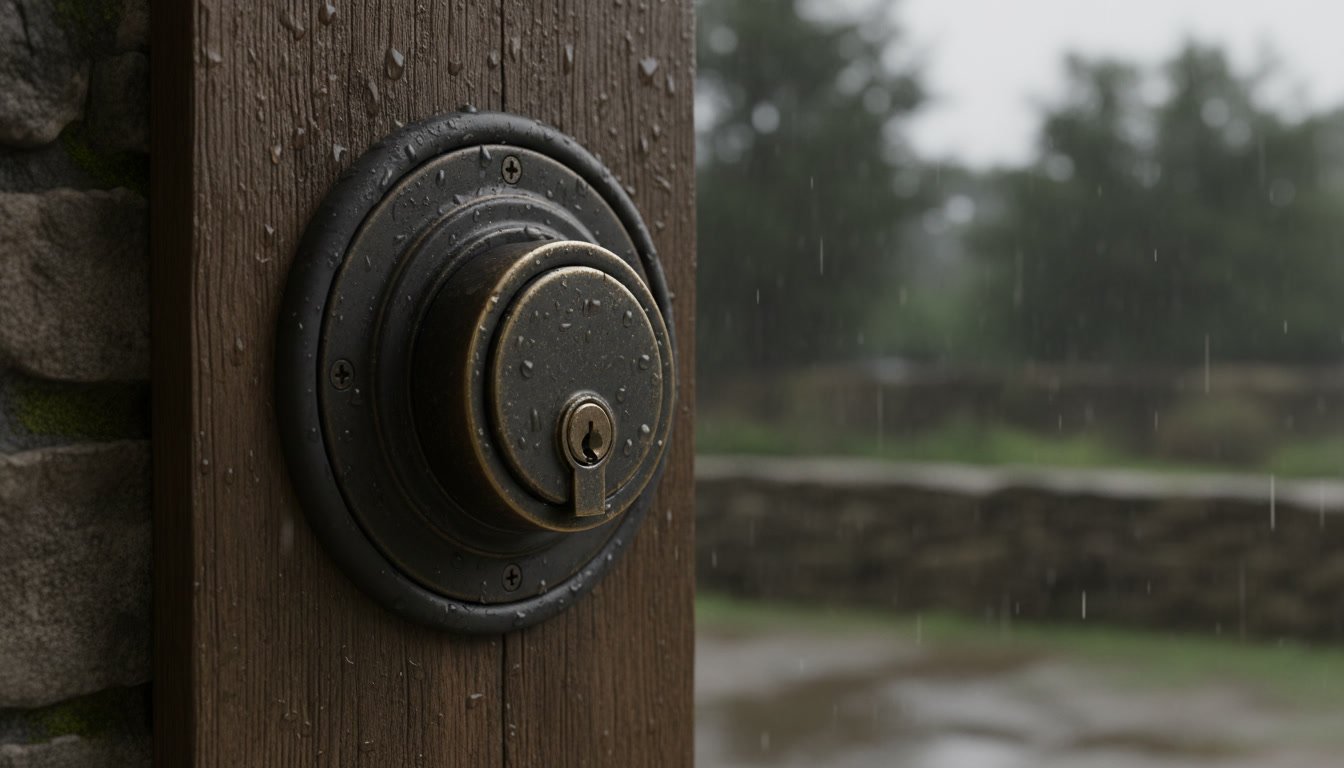
Exterior locks face constant moisture intrusion attempts. Rain driven by wind can penetrate the narrow gap between door and frame, reaching internal lock mechanisms. Over time, this moisture causes rust, mineral deposits, and frozen components in winter months.
Professional exterior installations include weatherproofing steps completely unnecessary for interior work. Locksmiths apply silicone-based sealant around the lock body where it meets the door surface, creating a moisture barrier. They ensure door sweeps and weatherstripping create proper seals. Some installations include weep holes that allow any trapped moisture to drain away from sensitive components rather than pooling inside the lock mechanism.
Backset Measurements and Door Thickness Variations
The backset measures the distance from the door edge to the center of the lock cylinder or knob. Standard backsets measure either 2-3/8 inches or 2-3/4 inches. This measurement must match exactly between the lock and the prepared hole in your door, or the latch will not align with the strike plate.
Exterior doors often have thicker cores than interior doors, ranging from 1-3/4 inches to over two inches for steel or solid-core wood security doors. Lock cylinders must extend completely through this thickness while leaving room for the interior trim plate. Interior doors, frequently hollow-core construction measuring 1-3/8 inches thick, need shorter through-bolts and may not support certain heavy-duty lock styles at all.
Measuring incorrectly leads to exposed threads, loose hardware, or locks that cannot fully engage. Professional installers carry adjustable-backset locks and multiple through-bolt lengths to accommodate the exact specifications of each door rather than forcing incompatible hardware into place.
Smart Lock Integration Differs by Door Type
Electronic and smart locks have become popular for both interior and exterior applications, but the installation requirements diverge significantly. Exterior smart locks must meet all the same security, weather-resistance, and durability standards as traditional locks while adding electronic components vulnerable to temperature extremes and moisture.
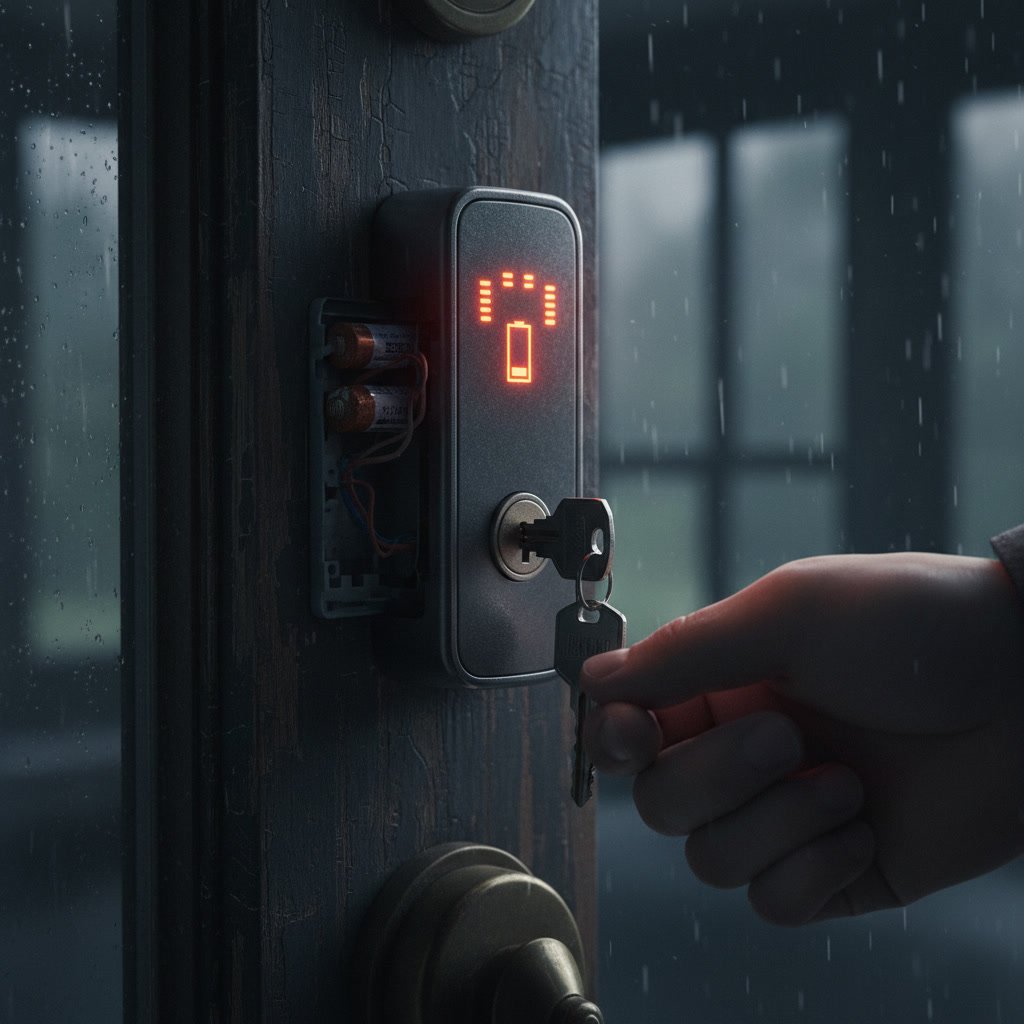
Battery life becomes critical for exterior installations. Cold weather dramatically reduces battery capacity, and some electronic locks will fail to operate when temperatures drop below freezing if not properly rated. Professional installations verify the lock’s operating temperature range matches your climate before mounting it on an exterior door. Interior smart locks face no such constraints and can use less expensive electronic components with narrower operating ranges.
For comprehensive protection that extends beyond the door itself, many homeowners pair smart locks with electronic security installation that monitors multiple entry points simultaneously.
Professional Lock Installation Standards in Ashland
Local building codes and insurance requirements sometimes mandate specific lock types or installation methods for exterior doors. In Virginia, while state code does not prescribe particular lock grades for residential construction, insurance carriers frequently require documented proof of Grade 2 or better deadbolts on all exterior entry points to qualify for certain coverage levels or premium discounts.
Solution Locksmith LLC handles installations throughout the region, ensuring all work meets both manufacturer specifications and local standards. Professional documentation of proper installation can prove valuable if you ever file an insurance claim related to forced entry.
Interior lock installations carry no such requirements. You can install any style, grade, or type without documentation, inspections, or insurance considerations. This freedom allows for purely aesthetic choices on bedroom, bathroom, and closet doors.
Cost Differences Between Interior and Exterior Installation
Material costs vary substantially between interior and exterior locks. A basic interior privacy lock for a bathroom might cost 15 to 40 dollars for decent quality hardware. An exterior-grade deadbolt with proper security rating starts around 50 dollars and can exceed 200 dollars for high-security or smart lock models.
Installation labor also differs in complexity and time required. An interior lock replacement in a pre-drilled door takes 15 to 30 minutes for an experienced professional. Exterior lock installation, particularly if it involves upgrading strike plates, aligning warped doors, adding weatherproofing, or installing smart lock components, can require 45 minutes to over an hour per door.
The cost difference reflects not just time but liability. An improperly installed interior lock might stick occasionally or fail to latch. An improperly installed exterior lock creates a genuine security vulnerability that could lead to property loss or worse. Professional installers carry insurance and warranties that protect you from installation defects.
When to Replace Rather Than Repair
Both interior and exterior locks eventually reach the end of their service life, but the timeline and warning signs differ. Interior locks can function for decades because they experience minimal stress and no environmental degradation. You might replace them only during renovations or style updates rather than because they failed.
Exterior locks face harsher conditions and higher security demands. Signs that replacement rather than key and lock repairs is the right choice include visible corrosion on the bolt or internal components, difficulty turning the key even after lubrication, loose connections between the lock body and door despite tightening screws, or any lock that has been compromised during an attempted break-in.
Security technology also advances. If your exterior locks predate modern pick-resistant pin tumbler designs or lack bump-guard features, replacement with current technology makes sense even if the old lock still functions. Interior locks rarely need such upgrades since their security function is minimal.
Protecting Your Investment With Proper Installation
The difference between amateur and professional lock installation becomes most apparent during the first attempted break-in or the first severe storm. Exterior locks installed without proper weatherproofing fail prematurely, requiring expensive emergency service calls. Locks installed with inadequate strike plates provide a false sense of security that criminals exploit in seconds.
Interior locks, while simpler, still benefit from professional installation when you want reliable operation. Misaligned latches cause doors that won’t stay closed or require excessive force to engage. Incorrectly sized holes create loose, wobbly knobs that damage the door over time.
Solution Locksmith LLC brings experience with both installation types, understanding which details matter for each application. Proper installation extends lock lifespan, maintains warranty coverage, and ensures the security level you paid for actually protects your property.
Making the Right Choice for Each Door
Understanding how lock installation interior exterior differences affect security, longevity, and cost helps you make informed decisions about protecting your home. Exterior installations demand weather-resistant materials, reinforced mounting, precise alignment, and security-grade hardware that can withstand both environmental stress and forced-entry attempts. Interior installations prioritize smooth operation, privacy functions, and aesthetic integration without the demanding specifications required for exterior security.
Whether you need a single lock upgraded or a complete security overhaul across multiple entry points, professional installation ensures each component meets the specific demands of its location. For expert lock installation throughout Fredericksburg, Spotsylvania County, Richmond, and surrounding areas, contact our team at +15403392006 to schedule service that protects what matters most.