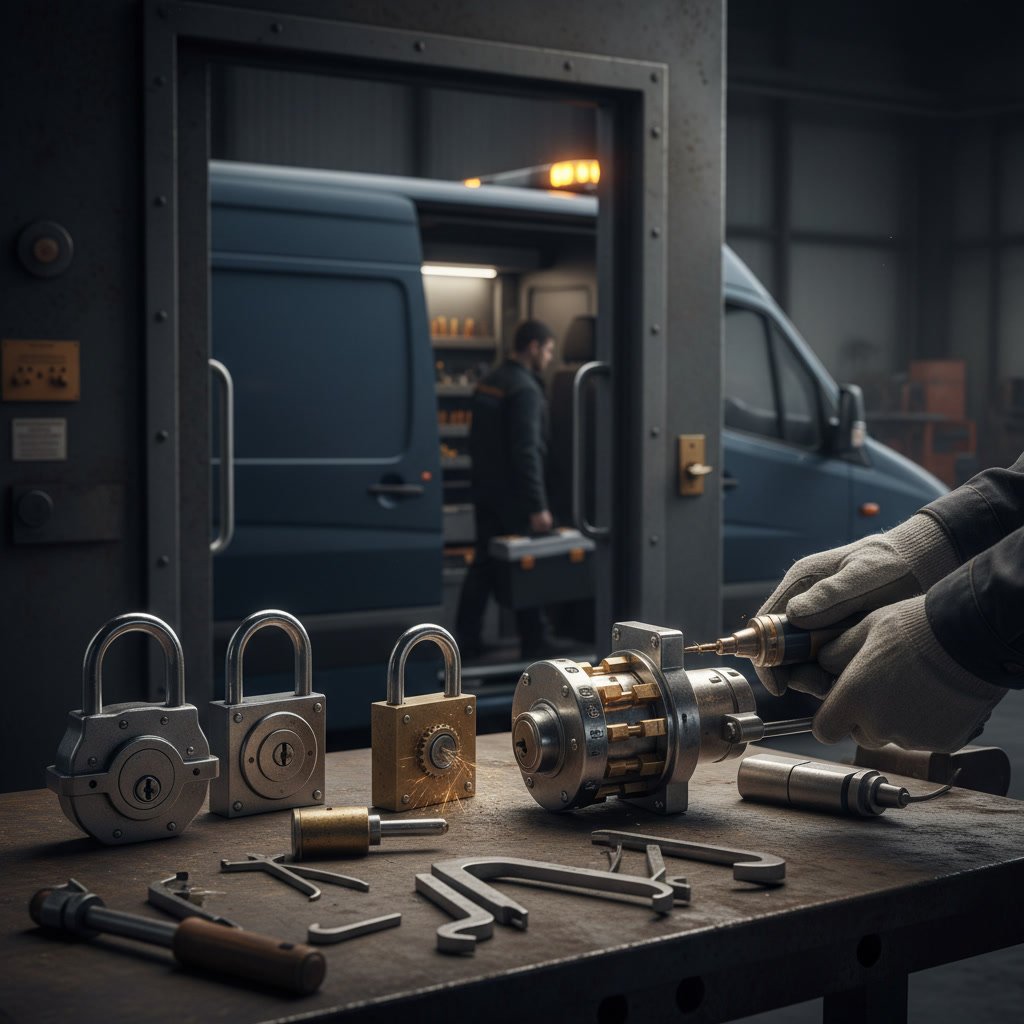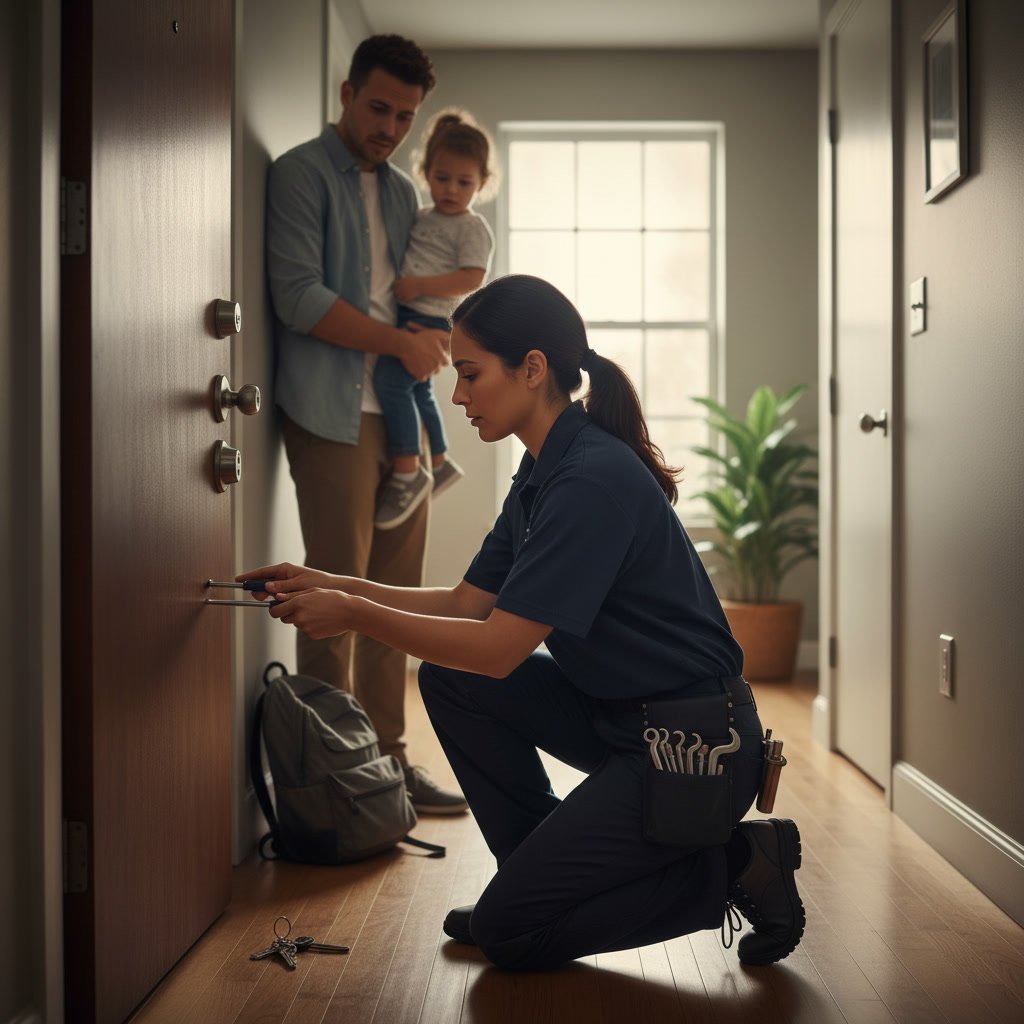
The automotive lock rekeying process reconfigures your car’s lock cylinders to accept only new keys, making any lost or stolen keys permanently useless. A professional locksmith removes the lock cylinders, replaces the internal pin tumblers with a new configuration, and cuts fresh keys that match the updated setup. This solution costs less than full lock replacement while providing complete security after key loss.
Why Rekeying Is More Secure Than Just Cutting New Keys
Cutting a duplicate key without rekeying leaves your vehicle vulnerable. The old lost key still works perfectly in your locks and ignition. Anyone who finds that key can access your car, steal valuables from inside, or even drive away with the vehicle itself.
Rekeying changes the internal mechanism so the old key configuration no longer turns the cylinder. The lost key becomes a useless piece of metal. Only your new keys will operate the locks and start the engine. This approach protects your investment without the expense of installing entirely new lock hardware.
When Vehicle Owners Should Consider Lock Rekeying
Lost keys represent the most common reason for automotive rekeying. If you cannot locate your spare and worry it might have fallen into the wrong hands, rekeying provides peace of mind. Other situations include buying a used vehicle from a private seller who may have kept duplicate keys, ending a relationship where the other person had access to your car, or employee turnover in a business with company vehicles.
Vehicle theft attempts that damage locks also warrant rekeying. Even if the thief failed to steal the car, compromised lock cylinders need attention. Automotive locksmith services address both security restoration and mechanical repairs in these scenarios.
How Lock Cylinder Pin Tumblers Actually Work
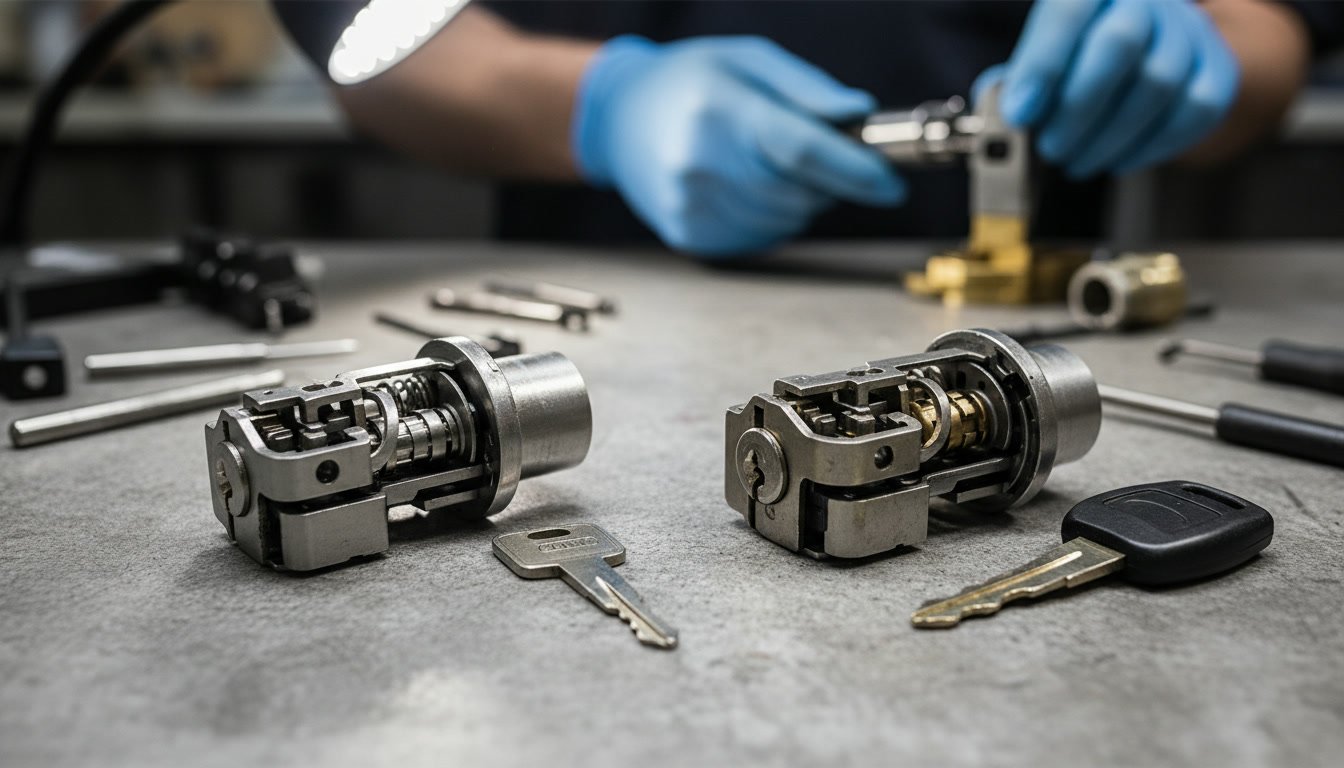
Understanding the basics helps you appreciate what happens during rekeying. Modern car locks contain a cylinder with spring-loaded pins of varying heights. When you insert the correct key, the cuts on the key blade push these pins to exact positions. If all pins align at the shear line, the cylinder rotates and the lock opens.
Each pin stack has two parts: a driver pin above and a key pin below. The key pin touches your key blade. Your key’s unique cut pattern determines which heights are needed for alignment. Change those pin heights and you change which key works in that lock.
Step by Step Breakdown of the Rekeying Process
The locksmith begins by removing the lock cylinder from your car door, trunk, or ignition. Some vehicles require disassembly of interior panels or steering column covers to access the cylinder. Modern cars with electronic components need extra care to avoid damaging sensors or wiring harnesses.
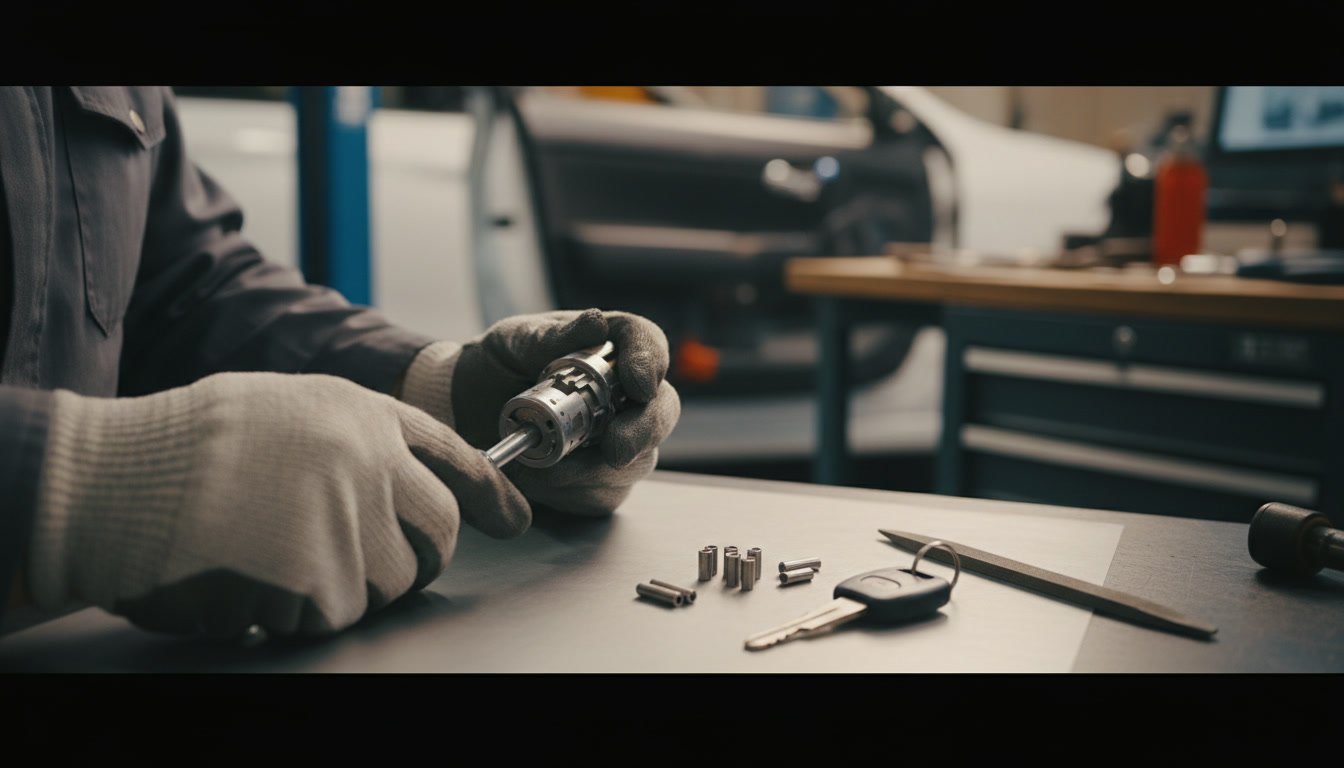
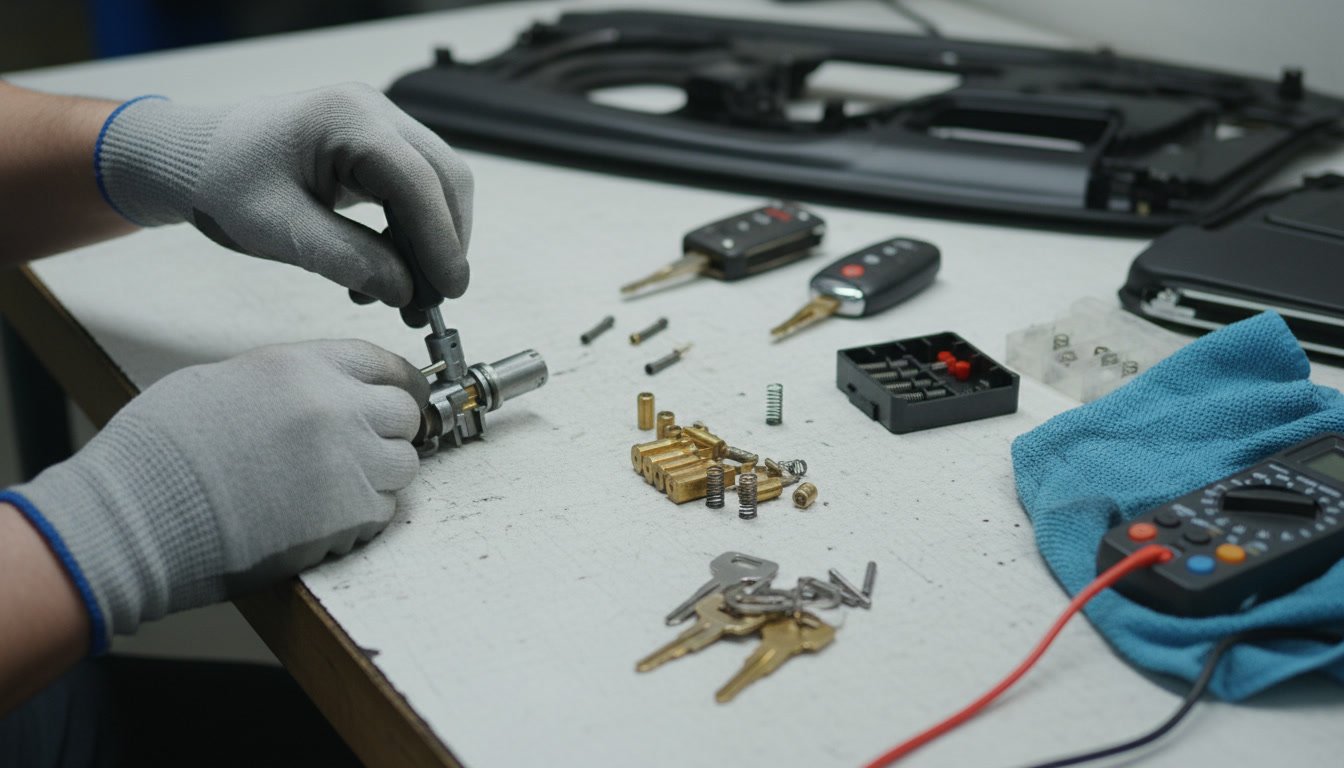
Once removed, the locksmith uses a specialized tool called a plug follower to extract the cylinder plug without losing the springs and pins inside. They dump out the old pins and carefully select new pins from a rekeying kit. The new pin heights correspond to a completely different key cut pattern.
After inserting the new pins in the correct order, the locksmith reassembles the cylinder and tests it with the new key. They verify smooth operation before reinstalling the cylinder in your vehicle. The entire process for one cylinder typically takes 15 to 30 minutes, depending on vehicle make and accessibility.
Differences Between Standard and High Security Car Locks in Ashland
Standard automotive locks use basic pin tumbler systems with five or six pins. High security locks from manufacturers like Medeco or Abloy include additional features such as sidebar mechanisms, angled cuts, or rotating pins. These advanced designs resist picking and bumping attempts much better than conventional locks.
Rekeying high security locks requires specialized tools and training. The pin configurations are more complex, and replacement parts must meet exact manufacturer specifications. Not every locksmith carries the equipment needed for these systems. When you own a luxury or high end vehicle, verify that your locksmith has experience with your specific lock type before scheduling service.
Why Ignition Cylinders Require Different Techniques
Ignition cylinders differ from door locks in important ways. They contain more pins, usually six to ten, because they must provide higher security. The cylinder connects directly to electronic components like the starter solenoid and fuel pump relay. Many newer vehicles also integrate transponder chip readers into the ignition assembly.
Removing an ignition cylinder often demands steering wheel removal and careful handling of airbag wiring. One expert insight: always disconnect the battery before working near airbag systems, and wait at least 15 minutes after disconnection before touching any steering column components. The airbag capacitor holds enough charge to deploy accidentally for several minutes after power cuts off.
Some vehicles use wafer tumblers instead of pin tumblers in the ignition. These flat metal wafers operate on the same principle but require different rekeying techniques and parts. Key and lock repairs for wafer systems demand specific expertise that not all locksmiths possess.
Handling Transponder Keys and Electronic Immobilizers
Cars built after 1995 typically include transponder chips embedded in key heads. These chips transmit a unique radio frequency code to a receiver in the ignition. The engine control module only allows starting when it receives the correct code. Rekeying the mechanical lock does nothing to reprogram these electronic systems.
After mechanical rekeying, the locksmith must also program new transponder keys to match your vehicle’s computer. This step requires diagnostic equipment that interfaces with the car’s onboard computer. The process erases old key codes from memory and registers the new keys as authorized.
Some manufacturers limit how many keys the system stores. If you reach that limit, adding a new key requires deleting an old one from the computer’s memory. This electronic erasure complements the mechanical rekeying to fully invalidate lost keys. If you are dealing with a lockout situation while waiting for rekeying, emergency lockout services can get you back in your vehicle quickly.
Cost Factors That Affect Rekeying Service Pricing
Several variables influence what you pay for automotive rekeying. Vehicle make and model matter significantly. Domestic brands like Ford and Chevrolet usually cost less to rekey than European imports like BMW or Mercedes. Japanese vehicles fall somewhere in the middle.
The number of locks you want rekeyed changes the total price. Most people rekey all door locks, the trunk, and the ignition for consistent security. Rekeying only one or two locks saves money but leaves other entry points vulnerable to the lost key.
Mobile service adds convenience but typically increases costs compared to bringing your vehicle to a shop. Emergency after hours service commands premium pricing. Transponder programming adds another layer of expense on top of mechanical rekeying. When budgeting, ask for a detailed quote that breaks down each component of the service.
How Long Rekeyed Locks Last and Warranty Considerations
Properly rekeyed locks function as reliably as factory original locks. The pins, springs, and cylinders are the same quality parts used in new lock manufacturing. With normal use, rekeyed automotive locks last the entire remaining life of the vehicle without issues.
Reputable locksmiths warranty their rekeying work for at least 90 days, and many offer one year guarantees. The warranty typically covers defects in parts or workmanship, such as pins that fall out of alignment or springs that fail prematurely. It does not cover damage from accidents, break in attempts, or normal wear from years of use.
Keep your receipt and any warranty documentation in a safe place. If you experience problems with rekeyed locks, contact the locksmith who performed the work before attempting DIY repairs. Unauthorized modifications can void warranties and create additional problems.
Alternative Solutions When Rekeying Is Not Practical
Some situations make rekeying difficult or impossible. Severely damaged lock cylinders that suffered attempted break ins may need complete replacement rather than rekeying. Obsolete vehicles with discontinued parts sometimes lack available rekeying kits, forcing a switch to aftermarket lock assemblies.
Push button start systems in modern vehicles eliminate traditional key cylinders altogether. These cars use proximity fobs that communicate wirelessly with the vehicle. Invalidating a lost fob requires computer reprogramming to deauthorize that specific fob’s code. Key replacement and cutting services extend to programming these electronic fobs as well.
In rare cases, master key systems in fleet vehicles or rental cars require different approaches. These systems use hierarchical key levels where some keys open multiple vehicles. Rekeying one lock in such a system can disrupt the entire hierarchy and demand comprehensive reconfiguration.
Protecting Your Vehicle After Rekeying
Rekeying solves the immediate security problem of lost keys, but additional measures enhance protection. Store spare keys in secure locations away from the vehicle itself. Never hide spares under floor mats, in glove boxes, or attached magnetically to the undercarriage. Thieves check these obvious spots first.
Consider adding aftermarket security such as steering wheel locks, brake pedal locks, or kill switches. These visible deterrents make your car a less appealing target. GPS tracking devices help locate stolen vehicles quickly and increase recovery chances.
For businesses managing vehicle fleets across Henrico and surrounding areas, implement key control policies. Log who has keys to which vehicles, conduct regular key inventories, and rekey immediately when employees leave. Consistent procedures prevent security gaps that opportunistic thieves exploit.
Restoring Security and Peace of Mind
Lost car keys create real security vulnerabilities that simple key duplication cannot fix. Rekeying invalidates those lost keys permanently while maintaining your existing lock hardware. The process combines mechanical precision with electronic programming to deliver complete protection for modern vehicles. Understanding each step helps you make informed decisions about securing your transportation investment.
Solution Locksmith LLC provides professional automotive rekeying throughout central Virginia. Our technicians handle everything from basic pin tumbler systems to advanced high security locks and transponder programming. Whether you need immediate assistance or want to schedule service at your convenience, reach out at (540) 339-2006 to discuss your vehicle security needs.