When you reach an emergency locksmith dispatcher, providing clear and complete information helps the technician arrive faster and prepared with the right tools. The dispatcher needs your exact location, the type of lock problem you’re facing, and details about your property or vehicle to ensure a smooth service call. Every detail you share helps reduce response time and eliminates the need for return trips.
Why the Right Information Matters During Emergency Calls
Emergency locksmith situations create stress. You might be standing outside your car in a parking lot or locked out of your home late at night. In these moments, the information you provide determines how quickly help arrives and whether the technician brings the correct equipment on the first trip.
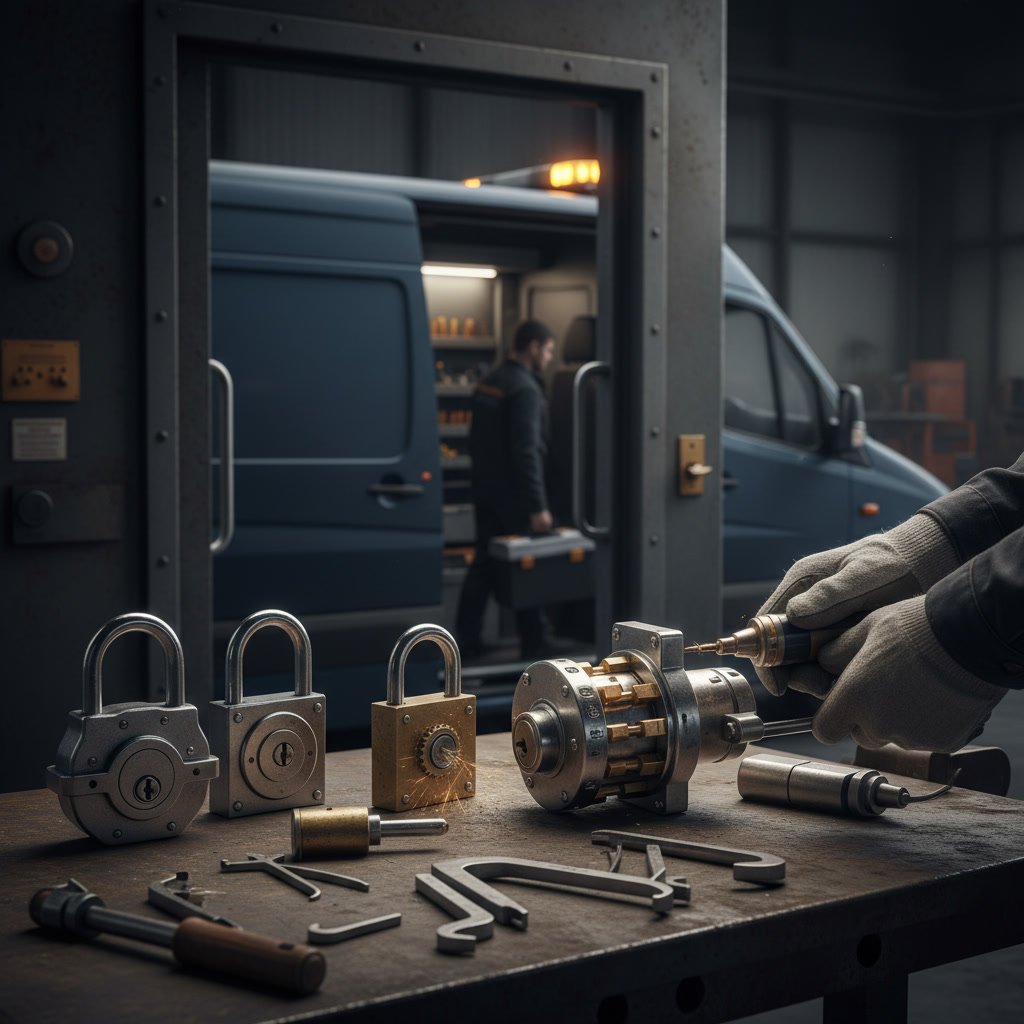
Dispatchers use your details to assign the nearest available technician, calculate accurate arrival times, and ensure the service vehicle is stocked with the specific tools needed for your situation. A residential lockout requires different equipment than an automotive job, and high-security locks demand specialized tools that standard locksets do not.
Your Exact Location and How to Describe It
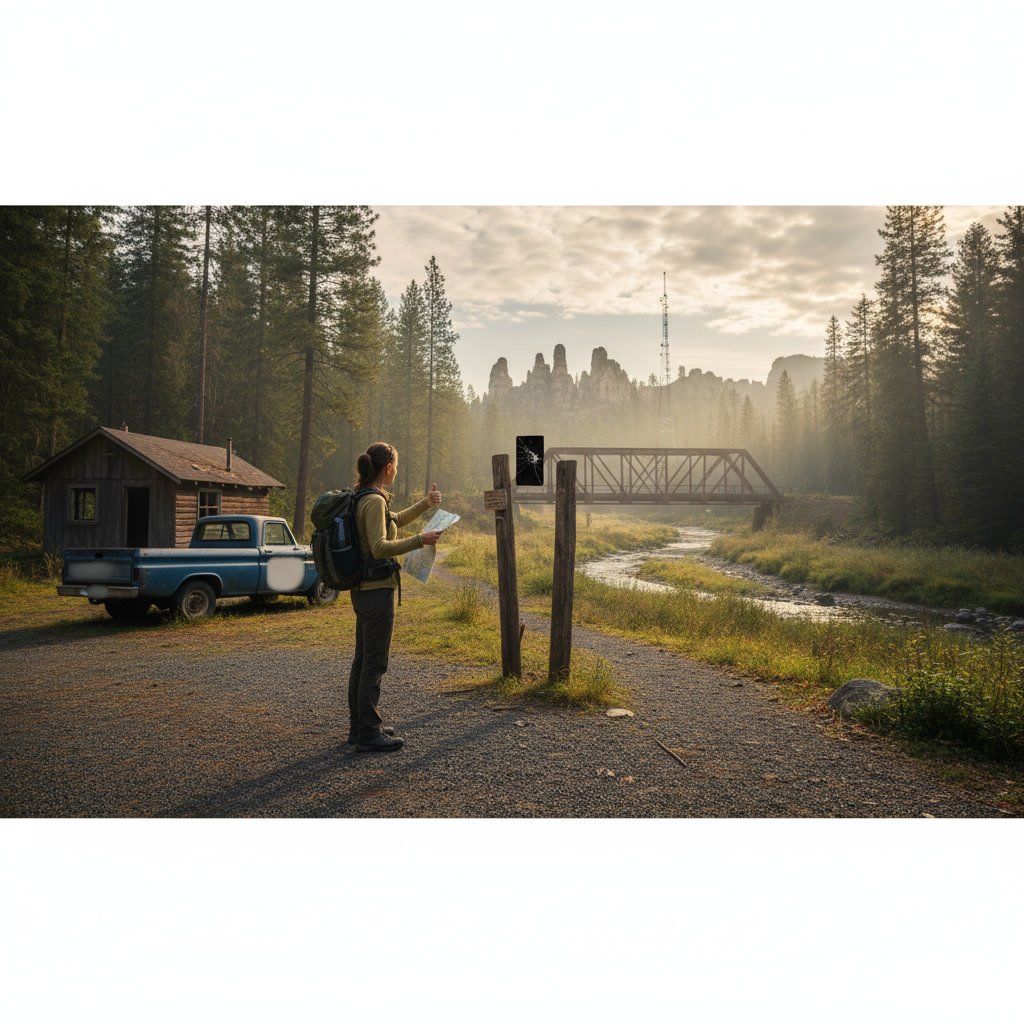
Start with your precise address, including apartment numbers, building names, or unit designations. If you’re in a large complex or office park, mention landmarks the technician can use to find you quickly. GPS coordinates help in rural areas, but street intersections work well in cities.
For vehicle lockouts, describe your location using nearby businesses, mile markers, or exit numbers if you’re on a highway. Mention whether you’re in a parking garage, on a specific level, or near particular entrances. The faster the technician locates you, the sooner you regain access.
The Type of Lockout or Lock Problem You’re Experiencing
Describe whether you’re dealing with a residential, commercial, or automotive situation. Each category requires different approaches and tools. A residential lockout service differs significantly from a car trunk opening or a broken office door lock.
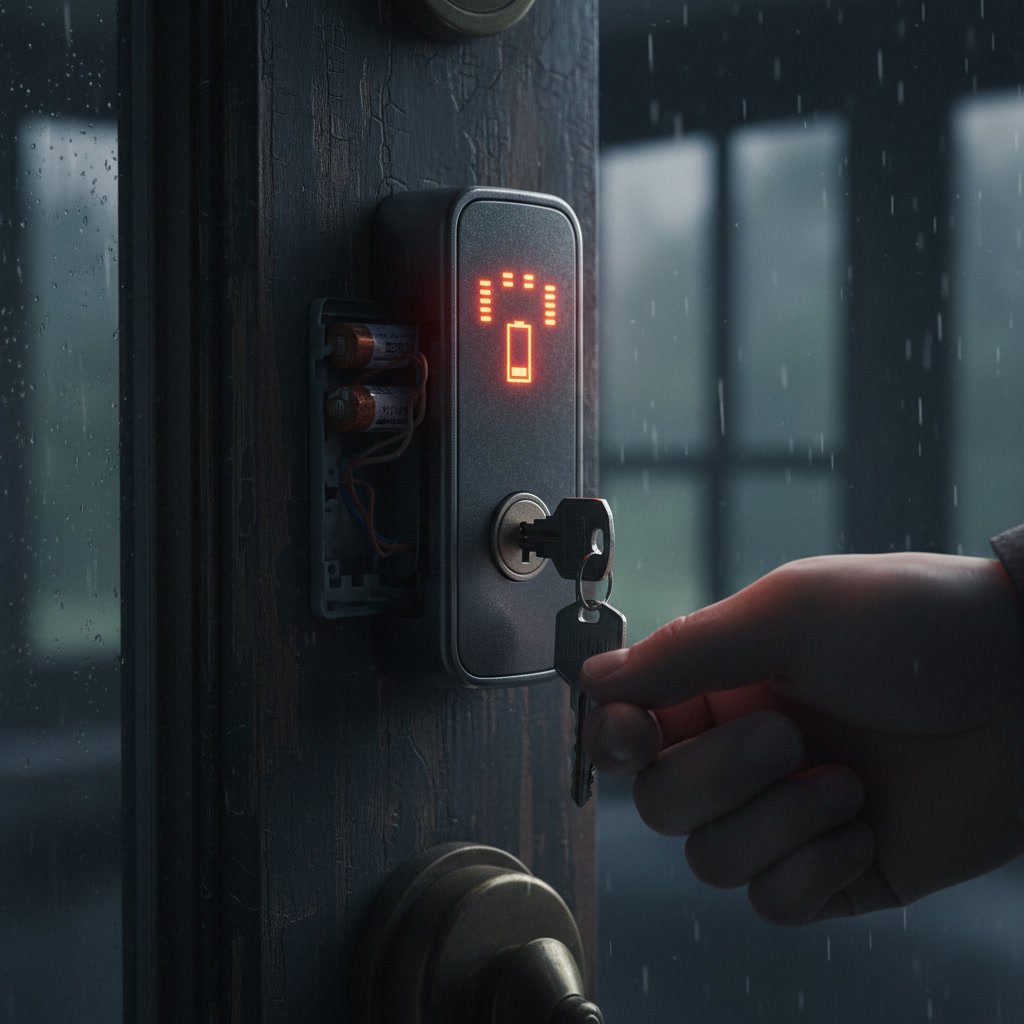
Specify what happened. Did your key break off inside the lock? Is the lock jammed or frozen? Did you lose your keys entirely, or are they locked inside? These details help the dispatcher assign a technician with the right expertise and prepare the appropriate equipment before departure.
Details About Your Lock Type and Security Level
Not all locks are created equal. Standard pin-and-tumbler locks require different techniques than high-security locks with sidebar mechanisms or electronic components. If you know your lock brand, such as Schlage, Kwikset, Medeco, or Mul-T-Lock, mention it.
For commercial properties, note if you have master key systems, restricted keyways, or access control integration. These systems often require specialized tools and additional time. Vehicle locks vary by make, model, and year, with newer cars featuring transponder keys and push-button ignition systems that demand specific programming equipment.
Whether You Have Identification and Proof of Ownership
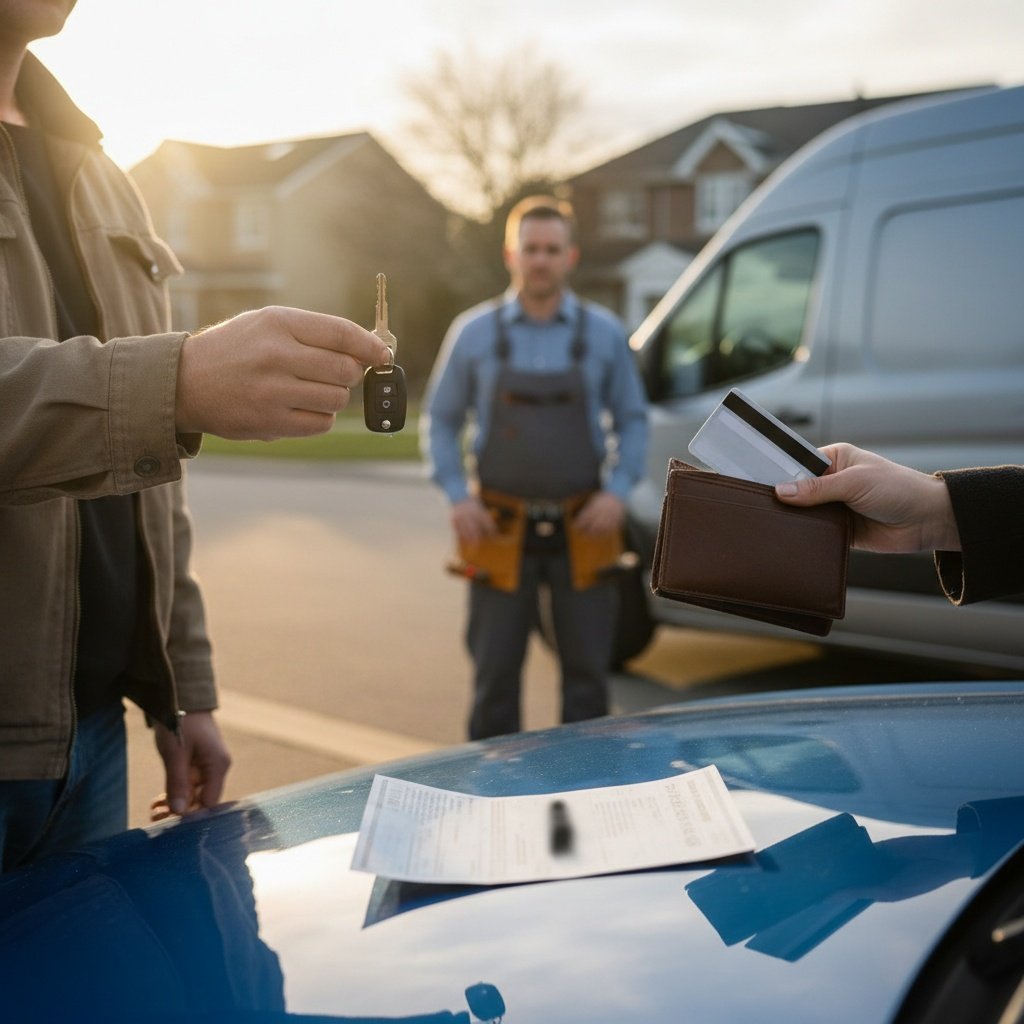
Professional locksmiths verify ownership before providing access to protect against unauthorized entry. Let the dispatcher know if you have a driver’s license, utility bill, vehicle registration, or lease agreement that proves you belong at the location or own the vehicle.
If you cannot provide documentation immediately, explain your situation. The dispatcher can note special circumstances and inform the technician, who may use additional verification methods or contact property managers for commercial buildings.
Information About Keys and Access Points in Ashland
Tell the dispatcher whether you have spare keys somewhere else, such as with a neighbor, family member, or in a key box. If someone nearby can meet the technician with a working key, it might allow for faster key duplication rather than lock manipulation.
Mention alternative access points. For homes, this includes side doors, basement entries, or windows that might be unlocked. For vehicles, note whether any doors remain unlocked or if the trunk is accessible. Solution Locksmith LLC technicians serving Ashland and surrounding areas use the least invasive method possible when multiple options exist.
Special Circumstances That Affect Service Delivery
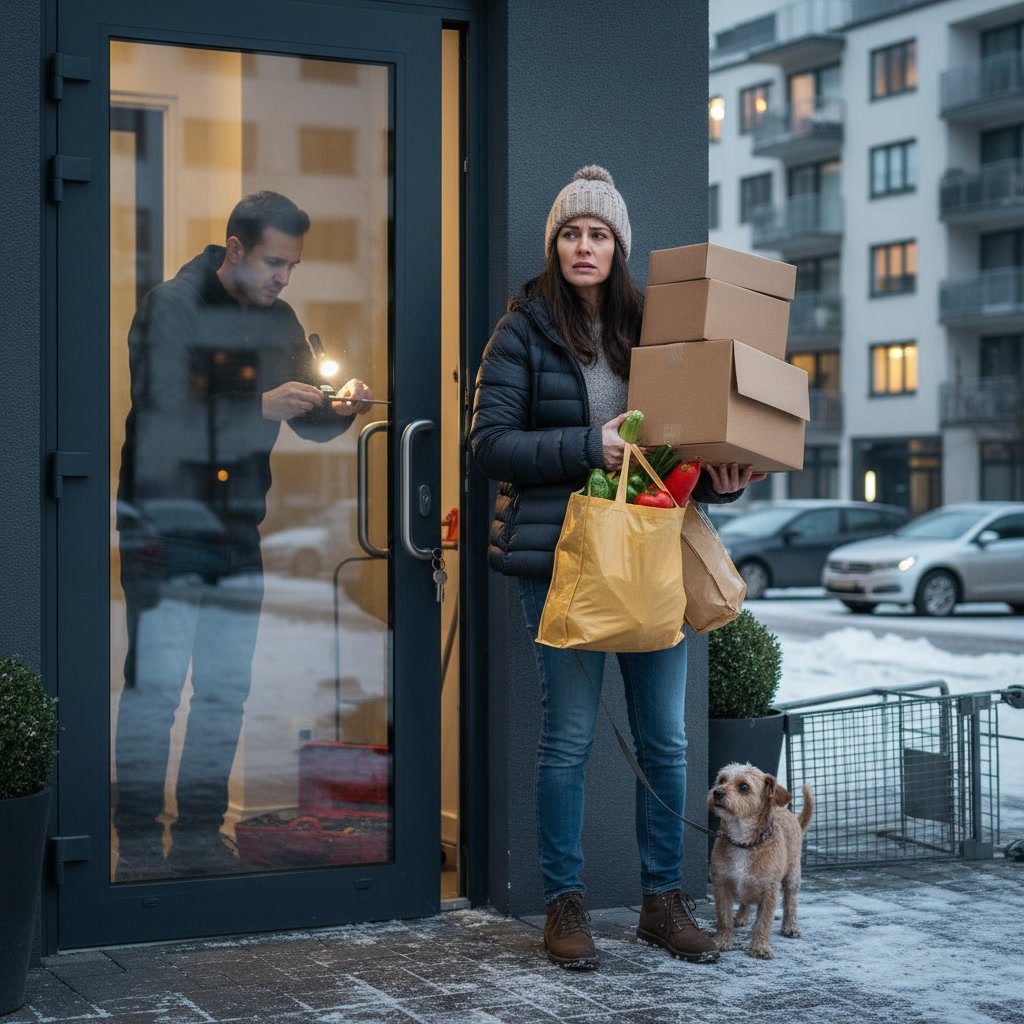
Certain situations require immediate attention or specialized handling. If a child or pet is locked inside a vehicle, especially in extreme weather, emphasize this urgency. Dispatchers prioritize these calls and often coordinate with emergency services if necessary.
Mention if you have mobility limitations, are in an unsafe location, or need accommodations. If your lockout occurred during severe weather, at a remote location, or in an area with limited parking or access restrictions, these details help the technician plan the approach.
Weather and Environmental Factors
Temperature extremes affect lock mechanisms. Frozen locks in winter require different treatment than locks that have expanded in summer heat. Mention current weather conditions if they seem relevant to your situation.
Time Sensitivity and Schedule Constraints
If you have time-critical obligations, such as picking up children, making appointments, or getting to work, let the dispatcher know. While technicians work as quickly as possible, understanding your constraints helps them prioritize and communicate realistic timelines.
Questions to Expect From the Dispatcher
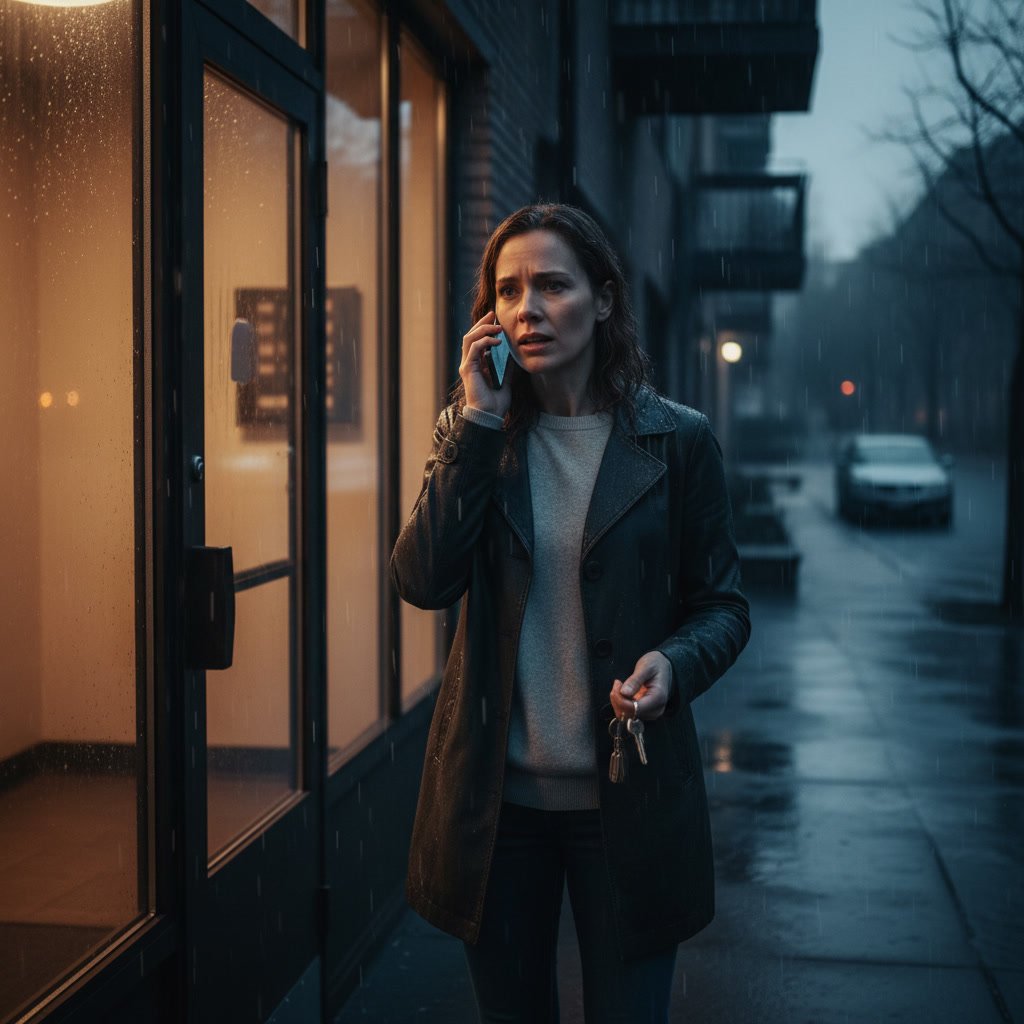
Professional dispatchers follow structured protocols to gather complete information. Expect questions about your contact phone number, callback number if you’re using a borrowed phone, and preferred communication method if they need to reach you during the technician’s drive.
They will ask about payment methods, service authorization, and whether you need additional services beyond the immediate lockout. For example, if your key broke during a lockout, you might need both access restoration and lock repair services to prevent future problems.
What Happens After You Provide Information
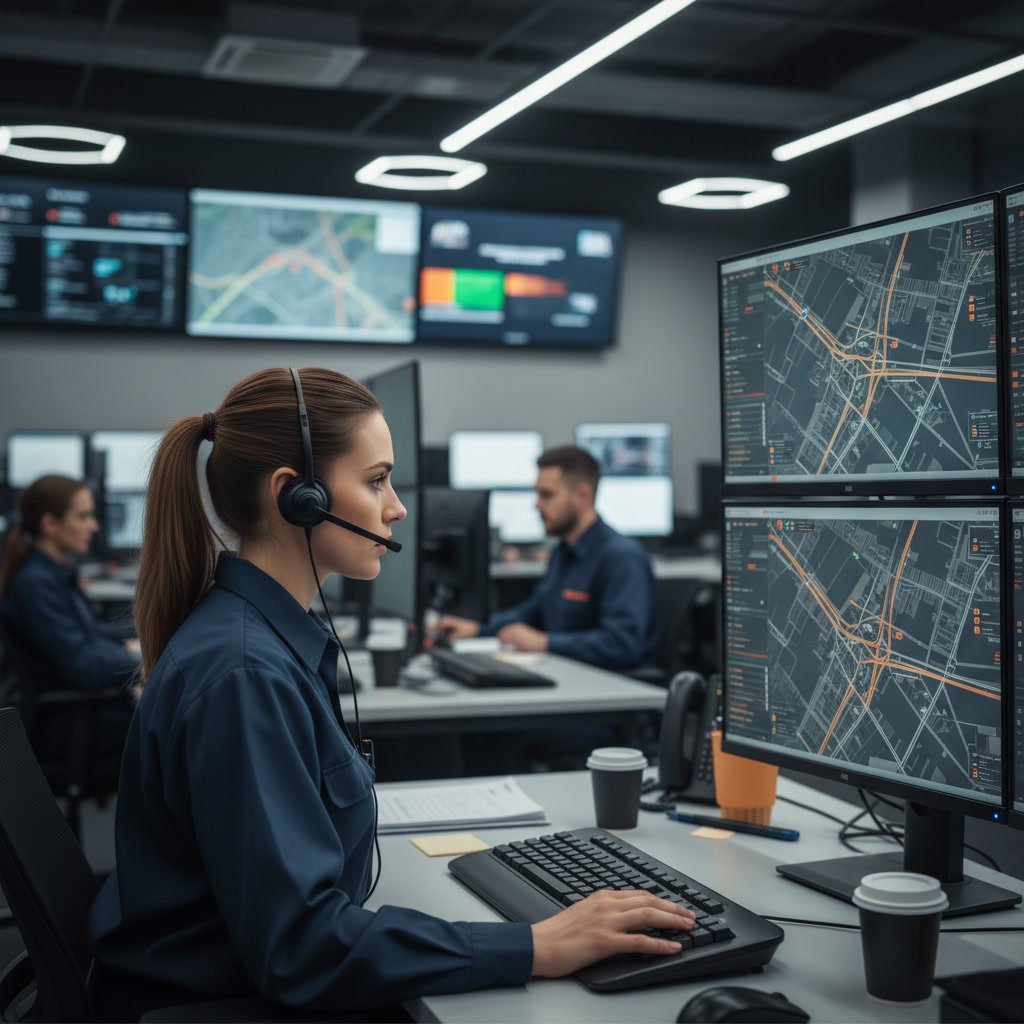
Once the dispatcher has your details, they assign the nearest available technician and provide an estimated arrival time. This estimate accounts for current traffic, the technician’s location, and the complexity of your situation. You’ll receive contact information for the assigned technician and often a callback when they’re en route.
The dispatcher relays all your information to the technician, who reviews it before departure. This preparation allows the technician to load specific tools, review techniques for your lock type, and plan the most efficient route. Understanding how response times are calculated helps set realistic expectations during stressful situations.
Common Mistakes That Delay Emergency Service
Vague location descriptions create the most significant delays. Saying “I’m at the grocery store” without specifying which one or where you’re parked forces technicians to search, wasting precious minutes. Always provide complete addresses and specific location markers.
Underestimating lock complexity causes problems when technicians arrive without specialized equipment. If you’re unsure about your lock type, describe it as best you can rather than guessing. A dispatcher can often identify the lock type from your description and prepare accordingly.
Failing to mention access restrictions, such as gated communities requiring codes, security checkpoints needing visitor registration, or parking limitations, delays service. Provide gate codes, contact numbers for security desks, and parking instructions during your initial call.
Preparing for the Call Before You Dial
If possible, take a moment to gather relevant information before calling. Locate documents that prove ownership, note your exact address or cross streets, and think through what happened to cause the lockout. This preparation helps you provide complete information quickly.
For automotive emergencies, have your vehicle’s make, model, and year ready. For home or business lockouts, note the type of building and any special security features you know about. This advance preparation reduces call time and gets help moving faster.
Getting Fast, Professional Help When You Need It Most
Clear communication with an emergency locksmith dispatcher turns a stressful situation into a manageable one. By providing your exact location, describing the specific problem, sharing details about your locks, and mentioning any special circumstances, you enable the fastest possible response with the right equipment. These details eliminate guesswork and ensure the technician arrives prepared to resolve your situation on the first visit.
Solution Locksmith LLC operates 24/7 throughout Ashland, Fredericksburg, Spotsylvania County, Richmond, Henrico, Stafford County, Chesterfield County, King George County, New Kent, and Midlothian. Our dispatchers are trained to gather the information needed for efficient service, and our technicians arrive prepared to handle residential, commercial, and automotive locksmith emergencies with professional expertise. When you need immediate assistance, call +15403392006 to speak with our dispatch team and get the help you need as quickly as possible.